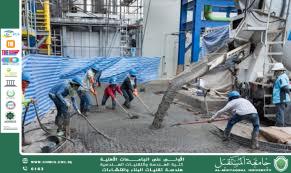
مقدمة مع التطور المتسارع في مجال البناء والإنشاءات، أصبح من الضروري تطوير مواد بناء تواكب المتطلبات الحديثة من حيث القوة، الديمومة، والفعالية. ومن بين هذه المواد ظهرت الخرسانة عالية الأداء (High Performance Concrete - HPC) كأحد الحلول المتقدمة التي تلبي متطلبات المشاريع المعقدة والبيئات القاسية. ما هي الخرسانة عالية الأداء؟ الخرسانة عالية الأداء هي نوع متطور من الخرسانة يتم تصنيعه بتصميم دقيق ومكونات مختارة بعناية للحصول على خصائص ميكانيكية وفيزيائية محسنة مقارنة بالخرسانة التقليدية. وهي ليست مجرد خرسانة عالية المقاومة فقط، بل تشمل أيضًا خصائص مثل: مقاومة عالية للتشقق كثافة منخفضة للمسام مقاومة ممتازة للعوامل البيئية قابلية تشغيل جيدة رغم انخفاض نسبة الماء إلى الإسمنت المكونات الأساسية تصنع الخرسانة عالية الأداء باستخدام مواد تقليدية ولكن بنسب دقيقة، وقد يتم إضافة مواد محسّنة، مثل: إسمنت بورتلاندي عالي الجودة ركام ناعم وخشن ذو مواصفات دقيقة مواد مضافة معدنية مثل السليكا فيوم، الرماد المتطاير، أو خبث الأفران مضافات كيميائية لتحسين التشغيلية، تقليل الماء، أو تسريع التصلب الخصائص الرئيسية قوة ضغط عالية: يمكن أن تتجاوز 60 ميغاباسكال، مقارنة بـ 20-30 ميغاباسكال للخرسانة العادية. متانة عالية: مقاومة شديدة للتآكل، الكربنة، والكلوريدات. قابلية تشغيل جيدة: رغم انخفاض نسبة الماء، يمكن تشكيلها وصبّها بسهولة باستخدام مضافات مناسبة. تحكم أفضل في الانكماش والتشقق. زمن تصلب أسرع أو أبطأ حسب المتطلبات. التطبيقات العملية تُستخدم الخرسانة عالية الأداء في مشاريع تتطلب مواصفات خاصة أو تعمل في ظروف بيئية قاسية، ومن أبرز التطبيقات: الجسور: لما تحتاجه من قوة وديمومة ومقاومة للعوامل الجوية الأبراج العالية والمنشآت العملاقة الأنفاق والمنشآت تحت الأرض الهياكل البحرية والسدود المفاعلات النووية أو البيئات التي تتطلب حماية إشعاعية وكيميائية فوائد استخدام HPC تقليل سماكة العناصر الإنشائية تحسين عمر الخدمة وتقليل تكاليف الصيانة تقليل الانبعاثات الكربونية بسبب عمرها الافتراضي الطويل دعم التصاميم المعمارية الجريئة والخفيفة الوزن تحديات وملاحظات رغم مزاياها العديدة، إلا أن للخرسانة عالية الأداء بعض التحديات: ارتفاع التكلفة الأولية بسبب المواد المضافة والمواصفات الدقيقة الحاجة إلى مراقبة جودة صارمة أثناء الخلط والصب احتمالية التشقق نتيجة الانكماش الذاتي إذا لم يتم التحكم بها جيدًا خاتمة الخرسانة عالية الأداء تمثل مستقبل البناء الذكي والمستدام. فهي تجمع بين القوة والمتانة والكفاءة، مما يجعلها الخيار الأمثل في المشاريع التي تتطلب جودة عالية وأداء طويل الأمد. ومع تطور تقنيات الإنتاج والمعالجة، من المتوقع أن تصبح هذه الخرسانة أكثر شيوعًا وأقل تكلفة في السنوات القادمة.
Introduction<br />With the rapid development in the construction and civil engineering sectors, there is a growing need for advanced building materials that meet modern requirements in terms of strength, durability, and efficiency. Among these materials, High-Performance Concrete (HPC) has emerged as an innovative solution tailored for complex projects and harsh environments.<br /><br />What is High-Performance Concrete?<br />High-Performance Concrete is a specially designed concrete mixture that provides superior mechanical and physical properties compared to conventional concrete. It is not only about high compressive strength, but also includes features such as:<br /><br />High crack resistance<br /><br />Low permeability<br /><br />Excellent resistance to environmental factors<br /><br />Good workability despite a low water-to-cement ratio<br /><br />Key Ingredients<br />HPC is made from conventional materials with precise proportions, often enhanced by additional components such as:<br /><br />High-quality Portland cement<br /><br />Fine and coarse aggregates with controlled specifications<br /><br />Mineral admixtures such as silica fume, fly ash, or ground granulated blast furnace slag<br /><br />Chemical admixtures to improve workability, reduce water content, or accelerate setting<br /><br />Main Properties<br />High compressive strength: Often exceeds 60 MPa, compared to 20–30 MPa in normal concrete<br /><br />Excellent durability: Resistant to abrasion, carbonation, and chloride penetration<br /><br />Good workability: Despite the low water content, admixtures help achieve smooth placement<br /><br />Better control over shrinkage and cracking<br /><br />Adjustable setting times depending on the project requirements<br /><br />Practical Applications<br />HPC is widely used in projects that demand high-performance specifications or operate under challenging conditions. Notable applications include:<br /><br />Bridges: For their strength, durability, and weather resistance<br /><br />High-rise buildings and mega-structures<br /><br />Tunnels and underground facilities<br /><br />Marine structures and dams<br /><br />Nuclear facilities or chemically aggressive environments<br /><br />Benefits of Using HPC<br />Reduction in structural member thickness<br /><br />Extended service life and lower maintenance costs<br /><br />Lower carbon footprint due to durability<br /><br />Support for bold, lightweight architectural designs<br /><br />Challenges and Considerations<br />Despite its many advantages, HPC presents some challenges:<br /><br />Higher initial cost due to specialized materials and additives<br /><br />Strict quality control is required during mixing and casting<br /><br />Risk of autogenous shrinkage and cracking if not properly managed<br /><br />Conclusion<br />High-Performance Concrete represents the future of smart and sustainable construction. It combines strength, durability, and efficiency—making it ideal for high-demand and long-life projects. As production techniques continue to evolve, HPC is expected to become more widespread and cost-effective in the near future.<br /><br />