Refineries in Iraq: A Key Component of the Country's Energy Sector
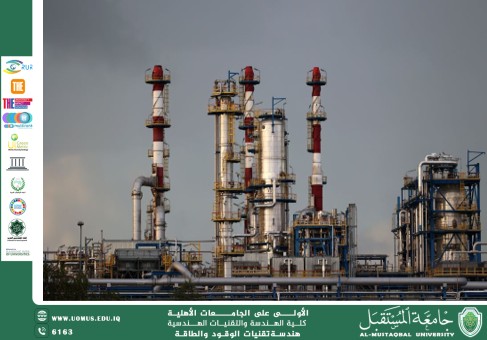
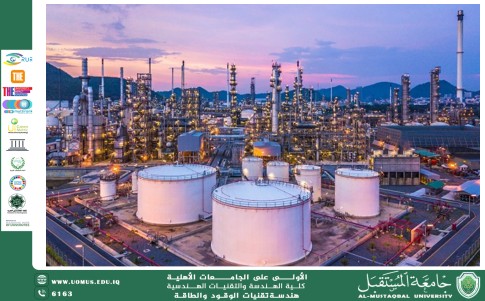
<br />Refineries in Iraq: A Key Component of the Country's Energy Sector<br />Dr. Malik Mustafa Mohammed<br />Iraq, one of the world's largest oil producers, possesses vast hydrocarbon reserves that have positioned it as a critical player in the global energy market. However, despite its enormous crude oil production capacity, Iraq has historically faced significant challenges in refining and processing its oil domestically. The country’s refineries are a crucial component of its energy infrastructure, but they have been plagued by decades of conflict, underinvestment, and inadequate modernization. This has limited Iraq's ability to meet domestic demand for refined petroleum products and forced the country to rely heavily on imports.<br /><br />Overview of Iraq's Refining Capacity<br />Iraq currently operates several refineries across the country, with a combined installed capacity of approximately 700,000 barrels per day (bpd). The major refineries include:<br /><br />1. Daura Refinery: Located near Baghdad, Daura is one of Iraq’s oldest refineries, with a capacity of around 140,000 bpd. It primarily produces gasoline, diesel, fuel oil, and liquefied petroleum gas (LPG).<br /> <br />2. Basra Refinery: Situated in the southern oil-rich region, Basra is the largest refinery in Iraq, with a capacity of about 150,000 bpd. It supplies much of the country’s southern provinces with refined products, although it frequently operates below capacity due to technical issues and maintenance challenges.<br /><br />3. Baiji Refinery: Once the largest refinery in Iraq, Baiji was heavily damaged during the conflicts that followed the U.S. invasion in 2003 and later during the fight against ISIS in 2014. Although some sections of the refinery have been rehabilitated, its full operational capacity has yet to be restored.<br /><br />4. Nasiriyah Refinery: Located in the southern province of Dhi Qar, Nasiriyah has a relatively small capacity of around 15,000 bpd but plays an important role in supplying local markets.<br /><br />5. Kirkuk Refinery: In the northern part of the country, the Kirkuk refinery processes crude oil from nearby fields and serves the needs of the Kurdistan Region and surrounding areas.<br /><br />Despite these facilities, Iraq’s total refining capacity falls short of meeting the domestic demand for refined products, which is estimated at around 800,000 bpd. As a result, the country must import significant quantities of gasoline, diesel, and other fuels, creating an economic burden and exacerbating fiscal pressures.<br /><br />Challenges Facing Iraqi Refineries<br />Several factors have hindered the development and efficiency of Iraq’s refining sector:<br /><br />1. Aging Infrastructure: Many of Iraq’s refineries were built decades ago and have not undergone significant upgrades or expansions. Outdated technology and equipment reduce their efficiency and limit their ability to produce high-quality fuels that comply with international standards.<br /><br />2. Security Concerns: Years of war and instability have damaged key infrastructure, including refineries. The Baiji refinery, for example, suffered extensive destruction during the ISIS occupation, requiring years of reconstruction efforts.<br /><br />3. Underinvestment: Decades of sanctions, political instability, and corruption have stifled investment in the energy sector. While revenues from oil exports could theoretically fund improvements in refining capacity, mismanagement and competing priorities have left refineries underfunded.<br /><br />4. Smuggling and Fuel Subsidies: Widespread smuggling of subsidized fuel across borders into neighboring countries like Iran, Turkey, and Syria further strains the system. At the same time, government subsidies keep domestic fuel prices artificially low, discouraging private investment in new refining projects.<br /><br />5. Environmental Concerns: Iraq’s refineries often operate using outdated methods that contribute to environmental degradation, including air pollution and water contamination. Modernizing these facilities would help mitigate such impacts while improving output quality.<br /><br />Efforts to Expand and Modernize<br />Recognizing the importance of developing a robust refining sector, the Iraqi government has taken steps to address these challenges through partnerships with international companies and investments in new projects. Some notable initiatives include:<br /><br />1. Karabilah Refinery Project: A planned greenfield refinery in Anbar Province, designed to process up to 150,000 bpd. This project aims to boost domestic refining capacity and reduce reliance on imports.<br /><br />2. Expansion of Existing Facilities: Efforts are underway to expand the capacities of existing refineries, such as Daura and Basra, through rehabilitation programs and technological upgrades.<br /><br />3. Foreign Investment: Iraq has sought to attract foreign investors and expertise to develop its refining sector. Companies from China, South Korea, and Europe have shown interest in participating in joint ventures or independent projects.<br /><br />4. Karbala Refinery: One of the most ambitious projects, the Karbala refinery, began operations in 2020 with a capacity of 140,000 bpd. Built with assistance from South Korean firms, this state-of-the-art facility is expected to play a pivotal role in reducing Iraq’s dependence on imported fuels.<br /><br />Conclusion<br />Iraq’s refineries are central to its goal of achieving energy self-sufficiency and maximizing the value of its abundant natural resources. However, realizing this potential will require sustained investment, improved governance, and greater collaboration with international partners. By addressing longstanding issues such as aging infrastructure, security risks, and inefficiencies, Iraq can transform its refining sector into a cornerstone of economic growth and stability. With proper reforms and strategic planning, the country could eventually become not only a leading crude oil exporter but also a producer of high-quality refined products, benefiting both its economy and its people.<br />Al-Mustaqbal University The First University in Iraq<br />