Sustainability in Construction: How to Design Environmentally Friendly Buildings
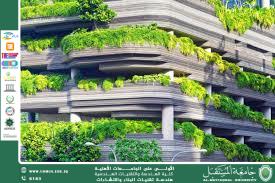
In light of the growing environmental challenges and climate change, it has become crucial to rethink the way we build our cities and homes. It is no longer enough for a building to be aesthetically pleasing or functional; it must also be environmentally friendly, energy-efficient, and adaptable to its natural surroundings with minimal impact. This is where the concept of sustainability in construction comes into play.<br /><br />🌿 What Are Sustainable Buildings?<br />Sustainable or "green" buildings are those that are designed, constructed, and managed in a way that reduces negative environmental impact, while improving resource efficiency such as energy, water, and raw materials. They also aim to create a healthy and safe environment for occupants and users, while considering the needs of future generations.<br /><br />🏗️ How to Design Environmentally Friendly Buildings?<br />1. Smart Architectural Design<br />Maximizing the use of natural light to reduce reliance on electric lighting.<br /><br />Proper placement of windows and the building itself to reduce the need for air conditioning.<br /><br />Using "thermal mass" in the building (such as thick walls) to regulate temperature.<br /><br />2. Choosing Sustainable Building Materials<br />Using recycled materials or locally sourced materials to reduce emissions from transportation.<br /><br />Avoiding harmful materials like asbestos or paints that contain volatile organic compounds.<br /><br />3. Energy Consumption Efficiency<br />Integrating renewable energy systems such as solar panels or wind turbines.<br /><br />Using high-efficiency electrical appliances (such as those with Energy Star certification).<br /><br />Proper insulation for walls and roofs to minimize energy loss.<br /><br />4. Effective Water Management<br />Installing low-flow faucets and toilets.<br /><br />Collecting rainwater for irrigation or cleaning purposes.<br /><br />Recycling gray water (like from sinks) for non-potable uses.<br /><br />5. Green Spaces and Integration with the Environment<br />Creating rooftop gardens (green roofs).<br /><br />Using native plants that require less water.<br /><br />Reducing asphalt surfaces that contribute to urban heat islands.<br /><br />🌎 Why Build Environmentally Friendly Buildings?<br />Cost savings in the long run (lower energy and water bills).<br /><br />Reduction in carbon footprint and contributing to environmental protection.<br /><br />Improved indoor air quality, which positively affects the health of occupants.<br /><br />Increased property value and alignment with modern global standards.<br /><br />✅ Successful Real-World Examples<br />The Burj Khalifa in Dubai uses an advanced cooling system that reduces energy consumption.<br /><br />The "Masdar City" project in Abu Dhabi is a model for a fully sustainable city.<br /><br />Buildings in Scandinavian countries are often made from treated wood and incorporate solar and thermal energy systems.<br /><br />🧠 In Conclusion<br />The shift towards sustainable construction is not just a passing trend, but a necessary move to address current and future environmental challenges. Every design decision, every material we use, and every system we install can have a positive or negative impact on our planet. Let’s choose the green path and make our buildings a part of the solution, not the problem.