Electrical Power Stations in Iraq: Challenges and Opportunities
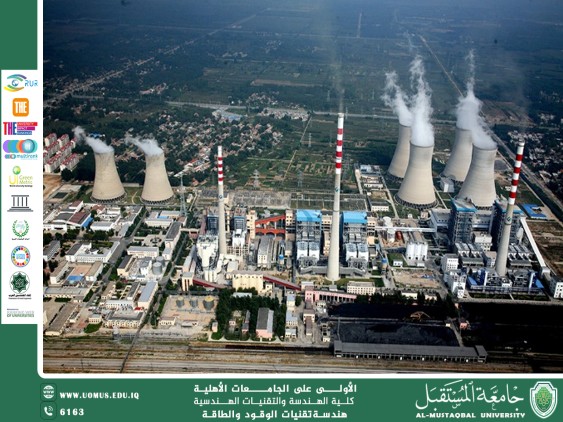
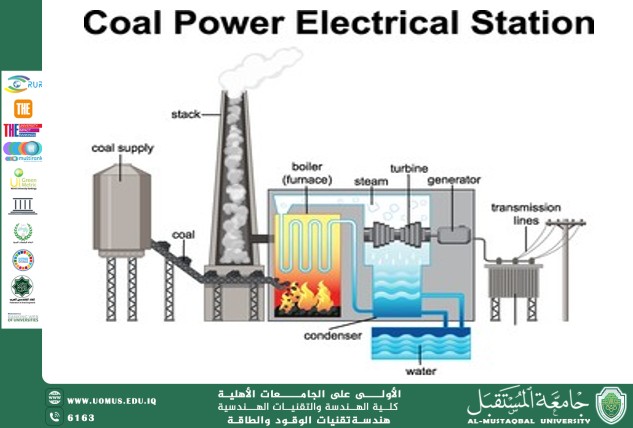
<br />Electrical Power Stations in Iraq: Challenges and Opportunities<br />Dr. Malik Mustafa Mohammed<br /> Iraq, a country rich in natural resources, faces significant challenges in providing reliable electricity to its population. Despite being one of the world's largest oil producers, Iraq struggles with chronic power shortages due to decades of conflict, underinvestment, inefficiencies, and outdated infrastructure. The country’s electrical power stations play a critical role in meeting domestic energy needs, but they have been unable to keep pace with growing demand, leading to widespread dissatisfaction among citizens and hindering economic development.<br /><br />Overview of Iraq's Power Generation Sector<br />Iraq’s electricity sector is primarily based on thermal power generation, with most of its power plants fueled by natural gas or crude oil derivatives. The country also has limited renewable energy capacity, although efforts are underway to expand solar and wind power. As of 2023, Iraq’s total installed generating capacity is approximately 21 gigawatts (GW), but actual output often falls far short of this figure due to technical issues, fuel shortages, and aging equipment.<br /><br />The main types of power stations in Iraq include:<br /><br />1. Thermal Power Plants: These account for the majority of Iraq’s electricity generation. They rely on natural gas, heavy fuel oil, or diesel as feedstock. Some of the largest thermal plants include:<br /> - Al-Nasiriyah Thermal Power Plant: Located in Dhi Qar Province, this plant provides electricity to southern Iraq.<br /> - Basra South Gas Power Plant: A key facility in the south that utilizes associated gas from nearby oil fields.<br /> - Basmaya Power Plant: Situated near Baghdad, it was built with Chinese assistance and uses advanced combined-cycle technology to improve efficiency.<br /><br />2. Hydroelectric Power Plants: Although less prominent than thermal plants, hydroelectric dams contribute to Iraq’s grid. The Mosul Dam, located on the Tigris River, is the largest hydroelectric facility, with a capacity of around 1 GW. However, maintenance issues and water scarcity have reduced its effectiveness.<br /><br />3. Renewable Energy Projects: Renewable energy remains underdeveloped in Iraq, but there are plans to harness solar and wind potential. For example, the Ain al-Sukhna Solar Park in Anbar Province represents an early step toward diversifying the energy mix.<br /><br />4. Private Generators: Due to insufficient supply from the national grid, many households and businesses rely on privately owned generators powered by subsidized diesel fuel. This informal sector highlights the inadequacies of the formal electricity system.<br /><br />Major Challenges Facing Iraq’s Power Sector<br /><br />Several interrelated factors have hampered the performance of Iraq’s power stations:<br /><br />1. Fuel Shortages: Many power plants operate below capacity because of inadequate supplies of natural gas or refined fuels. Flaring at oil fields results in wasted gas that could otherwise be used for power generation.<br /><br />2. Outdated Infrastructure: Much of Iraq’s power infrastructure dates back to the 1980s and requires extensive rehabilitation. Poor maintenance practices exacerbate breakdowns and reduce operational efficiency.<br /><br />3. Transmission and Distribution Losses: Up to 50% of generated electricity is lost during transmission and distribution due to outdated grids, theft, and illegal connections. This wastage places additional strain on already stretched resources.<br /><br />4. Financial Constraints: Chronic mismanagement, corruption, and low tariffs have left the Ministry of Electricity burdened with debt, limiting its ability to invest in new projects or upgrade existing facilities.<br /><br />5. Climate Change and Water Scarcity: Reduced river flows caused by upstream damming and climate change threaten the viability of hydroelectric power. Similarly, rising temperatures increase cooling demands, further stressing the grid.<br /><br />6. Security Risks: Attacks on power lines and sabotage by insurgent groups have disrupted electricity supply, particularly in rural and conflict-prone areas.<br /><br />Efforts to Improve the Power Sector<br /><br />Recognizing the urgent need for reform, the Iraqi government has launched several initiatives to address these challenges:<br /><br />1. Gas Capture Initiatives: To reduce reliance on imported fuels, Iraq is working with international partners to capture and utilize flared gas from oil fields. Projects like the Basra Gas Company aim to channel this resource into power plants.<br /><br />2. Investment in New Capacity: International companies, including those from China, Turkey, and South Korea, have invested in building new power plants. For instance, the Al-Faw Grand Port Project includes plans for dedicated power generation facilities.<br /><br />3. Renewable Energy Expansion: Iraq aims to develop 12 GW of renewable energy capacity by 2030, focusing on solar power. Partnerships with entities like the World Bank and private developers are helping finance these projects.<br /><br />4. Grid Modernization: Upgrading transmission and distribution networks is a priority to reduce losses and enhance reliability. Smart grid technologies are being explored to better manage supply and demand.<br /><br />5. Privatization and Reform: The government is considering privatizing parts of the electricity sector to attract private investment and improve efficiency. Pilot programs allowing private firms to operate certain plants are already underway.<br /><br />Conclusion<br /><br />Iraq’s electrical power stations hold immense potential to drive economic growth and improve living standards, yet they remain constrained by systemic issues. Addressing these challenges will require sustained political commitment, substantial investment, and collaboration with international partners. By modernizing infrastructure, expanding renewable energy sources, and improving governance, Iraq can transition toward a more stable and sustainable electricity supply. Such reforms are not only essential for meeting current demand but also for positioning the country to capitalize on its vast energy resources in the future. With careful planning and execution, Iraq’s power sector could become a catalyst for broader socio-economic progress, benefiting millions of citizens who continue to endure frequent blackouts and unreliable service.<br />Al-Mustaqbal University The First University in Iraq<br />