Designing Earthquake-Resistant Buildings: Standards and Methods
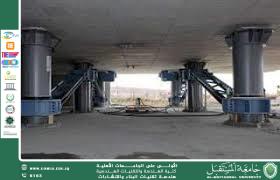
Earthquakes are natural disasters that can lead to massive destruction if proper preventive measures are not taken. In earthquake-prone areas, designing earthquake-resistant buildings becomes critical to ensure the safety of lives and property. Seismic engineering focuses on establishing specific standards and designs for buildings to ensure their ability to withstand the forces generated by earthquakes and avoid collapse during seismic events. In this article, we will explore the standards and methods essential in designing earthquake-resistant buildings.<br /><br />🌍 Why is Designing Earthquake-Resistant Buildings Vital?<br />Earthquakes occur when there is a shift in the Earth's crust, leading to sudden vibrations that can affect the Earth's surface and cause significant damage. In major cities or areas with dense infrastructure, earthquakes can lead to massive human and material losses if the design of buildings does not take seismic considerations into account.<br /><br />Earthquake-resistant buildings work by reducing the harmful effects of earthquakes through their ability to absorb tensions and vibrations caused by ground motion. This requires precise understanding of the engineering standards that help minimize earthquake-related risks.<br /><br />🏗️ Key Standards in Designing Earthquake-Resistant Buildings<br />1. Identifying the Seismic Zone<br />One of the first steps in designing earthquake-resistant buildings is identifying the seismic zone in which the project is located. These zones are classified based on their seismic risk (from low to high) according to geophysical data and historical earthquake activity. Based on these classifications, appropriate engineering standards for the building are determined.<br /><br />2. Using Suitable Materials<br />The materials used in the construction of a building play a major role in its ability to resist earthquakes. Flexible materials, such as reinforced concrete and steel, should be selected as they can withstand stresses and vibrations without collapsing. Materials that possess high flexibility are also preferred, as they are less likely to crack under seismic pressure.<br /><br />3. Proper Weight Distribution<br />It is crucial to ensure balanced weight distribution throughout the building. Uneven weight distribution may lead to tilting or even collapse when an earthquake strikes. Columns and walls should be designed to provide uniform support across the structure.<br /><br />4. Damping Systems<br />Damping systems are used to absorb the vibrations caused by earthquakes. These systems include hydraulic dampers or tuned mass dampers, which work to absorb seismic energy and reduce its effects on the building. These systems improve the stability of the building and minimize the movement of structural components during an earthquake.<br /><br />🛠️ Methods and Techniques for Designing Earthquake-Resistant Buildings<br />1. Building Information Modeling (BIM)<br />Building Information Modeling (BIM) is one of the most modern techniques used in designing earthquake-resistant buildings. This technology allows engineers to design 3D models of buildings and simulate how they behave under earthquake conditions. By using these models, potential weaknesses in the design can be identified and corrected before construction, improving safety.<br /><br />2. Deep and Stabilized Foundations<br />One effective method for earthquake resistance is the use of deep foundations that reach more stable layers of the Earth. These foundations help reduce the movement of the building during an earthquake, maintaining its stability. Stabilized foundations can also be used to minimize the effects of seismic vibrations on the building.<br /><br />3. Flexible Structures<br />The design of flexible structures allows the building to move slightly during an earthquake, thereby reducing stress on structural elements. Suspended structures, such as flexible surfaces or systems designed to move, absorb seismic motion and minimize impact on the building.<br /><br />4. Seismic Walls and Beams<br />Adding cross-walls or additional beams that support the structure and help distribute loads more effectively can be very effective in designing earthquake-resistant buildings. Seismic walls are designed to absorb lateral movements and help maintain the building's stability.<br /><br />5. Sensor and Early Warning Technology<br />Seismic sensors and early warning systems play a key role in designing earthquake-resistant buildings by installing sensors to accurately monitor seismic activity. These devices can alert occupants before the seismic waves arrive, giving them sufficient time to evacuate safely.<br /><br />✅ In Conclusion<br />Designing earthquake-resistant buildings is not optional, but a necessity in earthquake-prone areas. By adhering to strict engineering standards and utilizing modern methods like Building Information Modeling (BIM), it is possible to construct buildings that can withstand earthquakes and reduce the resulting damage. Additionally, the use of advanced systems like damping systems and sensor technology makes it possible to provide a safer, more stable environment for occupants. This approach to design is a crucial step toward reducing risks and protecting lives and property in the future.<br /><br />