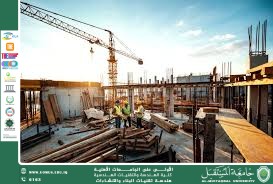
Title: Eco-Friendly Building Materials: The Green Future of Construction
Introduction<br />With growing environmental challenges and increasing public awareness about sustainability, the construction sector is now more focused than ever on using eco-friendly building materials. These materials not only reduce environmental impact but also offer smart, cost-effective solutions that support a more sustainable future in construction.<br /><br />What Are Eco-Friendly Building Materials?<br />They are materials produced, sourced, or recycled in ways that minimize harm to the environment. Key characteristics include:<br /><br />Low energy consumption during manufacturing<br />Recyclability or biodegradability<br />Reduced carbon emissions<br />Improved energy efficiency within buildings<br />Examples of Eco-Friendly Building Materials<br />Green Concrete<br />Made using recycled materials such as fly ash or blast furnace slag instead of traditional cement, which significantly reduces CO₂ emissions.<br />Sustainably Sourced Wood<br />For example, wood certified by organizations like the FSC (Forest Stewardship Council), ensuring it comes from responsibly managed forests.<br />Natural Insulation<br />Options like natural wool, recycled cotton fibers, or cork are effective, healthy alternatives to synthetic insulation.<br />Compressed Earth Blocks (CEB)<br />These do not require firing, thus saving energy compared to conventional bricks.<br />Integrated Solar Panels<br />Used in roofs and façades to generate clean energy and reduce reliance on traditional power sources.<br />Benefits of Using Eco-Friendly Materials<br />Reduced energy consumption in building operation<br />Improved indoor air quality due to low toxic emissions<br />Minimized construction waste<br />Longer building lifespan due to high-performance materials<br />Challenges and Opportunities<br />Despite the clear advantages, there are some challenges such as the higher cost of certain materials or their limited availability in some markets. However, increased awareness, government support, and technological advancements are making these materials more accessible and affordable.<br /><br />Conclusion<br />Eco-friendly building materials are not just alternatives—they represent the future of smart, sustainable construction.<br />As pressure on natural resources intensifies, adopting these materials becomes essential for companies and communities aiming to build responsibly and efficiently