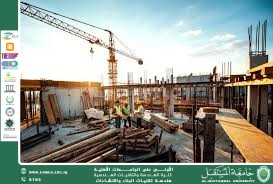
How 3D Printing Technologies Are Impacting the Construction Industry
Introduction: In recent years, 3D printing has emerged as a groundbreaking technology with far-reaching implications across various industries. One area where its impact is particularly significant is the construction industry. Known for its complex and resource-intensive nature, construction has traditionally relied on manual labor, heavy machinery, and a variety of materials. However, 3D printing is introducing innovative ways to streamline processes, reduce costs, and enhance design capabilities in construction. In this article, we will explore how 3D printing is transforming the construction industry, the benefits it brings, and the challenges it poses.<br /><br />1. Revolutionizing Design and Customization<br /><br />One of the most significant ways 3D printing is influencing construction is through its ability to create highly customizable designs. Traditional construction methods often limit architectural creativity due to the constraints of materials, tools, and manual labor. With 3D printing, architects and engineers can design complex, intricate structures that were previously difficult or impossible to build using traditional methods.<br /><br />Customization: 3D printers allow for the creation of highly personalized designs, with unique shapes and structures that can be tailored to the specific needs of the client or project. This means that buildings can be designed to maximize space, functionality, and aesthetics without being limited by conventional construction materials or techniques.<br /><br />Design Flexibility: The ability to print customized components allows for more innovative and efficient designs, including the potential to print entire building structures or certain building elements in a more precise and accurate manner than conventional methods allow.<br /><br />2. Reducing Material Waste and Promoting Sustainability<br /><br />Construction is a major contributor to global waste, with large amounts of materials such as concrete, steel, and wood often going unused or discarded during the building process. 3D printing technologies, however, offer a solution to this issue by enabling more efficient use of materials.<br /><br />Precision: 3D printing systems build structures layer by layer, allowing for the exact amount of material needed to be used with minimal waste. This can result in more sustainable construction practices, as less material is wasted in the process.<br /><br />Sustainable Materials: In addition to reducing waste, 3D printing also enables the use of alternative, sustainable materials. For example, 3D printers can work with recycled materials, bioplastics, and concrete mixtures designed to be more environmentally friendly.<br /><br />3. Speed and Cost Efficiency<br /><br />One of the most compelling advantages of 3D printing in construction is its ability to significantly reduce both time and costs in building projects.<br /><br />Faster Construction: Traditional construction methods can be slow, with many stages of the building process requiring manual labor, inspections, and coordination. 3D printing accelerates this process by automating much of the work. In some cases, entire structures can be printed in just a few days, which significantly reduces project timelines.<br /><br />Lower Labor Costs: Since 3D printing requires less human labor, it can drastically reduce labor costs. With fewer workers required for tasks such as mixing concrete, laying bricks, or assembling prefabricated components, construction companies can save money on labor while increasing efficiency.<br /><br />4. Enhancing Safety on Construction Sites<br /><br />Construction sites are often hazardous environments due to the use of heavy machinery, scaffolding, and manual labor. 3D printing has the potential to enhance safety by reducing human involvement in dangerous tasks and minimizing the use of hazardous equipment.<br /><br />Automation: 3D printers can automate the construction of certain building elements, reducing the need for workers to operate dangerous machinery or work at heights. This can help lower the risk of accidents and injuries on construction sites.<br /><br />Less Manual Labor: By automating tasks that would traditionally require significant manual labor, 3D printing can reduce the chances of workers suffering from fatigue-related accidents or repetitive strain injuries.<br /><br />5. Building Complex Structures and Affordable Housing<br /><br />Another important application of 3D printing in construction is its potential to build complex structures that are both affordable and efficient. This technology can be especially beneficial for addressing housing shortages in urban areas.<br /><br />Affordable Housing: 3D printing can significantly lower the cost of building homes. For instance, companies have begun using 3D printers to construct affordable houses in a matter of days. The technology can help address the global need for low-cost housing, particularly in regions with limited access to traditional construction resources.<br /><br />Complex Structures: The ability to 3D print intricate architectural designs with high precision opens up possibilities for constructing buildings with complex geometries that would be costly and time-consuming to create using traditional methods. This capability is especially beneficial for creating custom-designed homes or commercial buildings.<br /><br />6. Challenges and Limitations of 3D Printing in Construction<br /><br />While 3D printing holds great promise, there are several challenges and limitations that need to be addressed before it becomes widely adopted in the construction industry.<br /><br />Material Limitations: While there has been significant progress in developing 3D printable materials, the range of available materials is still somewhat limited compared to conventional construction materials. There is also ongoing research to improve the strength, durability, and variety of materials that can be used in 3D printing.<br /><br />Large-Scale Printing: Printing an entire building or large structural components requires printers with substantial size and capacity. While large-scale 3D printers have been developed, they are still expensive and may not be suitable for all construction projects.<br /><br />Regulations and Codes: Building codes and regulations are still adapting to accommodate 3D printing technologies. Until these regulations are updated to include 3D printing practices, its use in construction will be restricted in some regions.<br /><br />Conclusion<br /><br />3D printing is undeniably transforming the construction industry by offering faster, more sustainable, and cost-effective ways to design and build structures. With its ability to create customized, complex designs, reduce material waste, and enhance safety on construction sites, it is paving the way for the future of construction. However, while 3D printing holds immense potential, there are still challenges to overcome, such as material limitations and the need for updated building codes. As the technology continues to evolve, it is likely that 3D printing will become an increasingly integral part of the construction industry, helping to address issues like affordable housing and sustainable development.