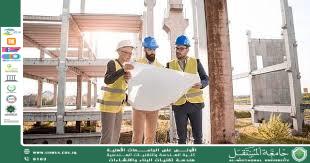
The Role of Personal Protective Equipment in Reducing Construction Accidents
Construction sites are among the most hazardous workplaces due to the various risks workers face, such as handling heavy machinery, working at heights, and exposure to toxic or sharp materials. However, with the development of safety standards and technology, these risks can be significantly reduced. Personal protective equipment (PPE) is one of the most effective ways to minimize construction accidents and protect workers from injuries. In this article, we will explore the role of PPE in reducing construction accidents and the importance of its use on construction sites.<br /><br />1. Protection from Physical Injuries<br />Construction sites often require workers to perform tasks in harsh conditions, such as digging, lifting heavy loads, or working with dangerous equipment and tools. One of the main advantages of PPE is that it provides direct physical protection against accidents and injuries, such as:<br /><br />Hard hats: Protect the head from impacts or falling debris during work in elevated areas or under structures.<br /><br />Safety boots: Protect against injuries caused by heavy materials falling on the feet or sharp edges.<br /><br />Protective gloves: Safeguard the hands from cuts or burns when handling hazardous materials or sharp surfaces.<br /><br />2. Protection for the Eyes and Ears<br />Working on construction sites exposes workers to various risks that affect the senses, such as dust, sparks, and loud noises. PPE plays a significant role in protecting the eyes and ears:<br /><br />Safety glasses: Protect the eyes from debris, dust, and chemicals that may cause injuries or damage to the eyes.<br /><br />Ear protection: Safeguard the ears from loud noises produced by heavy machinery and electrical tools that could lead to hearing loss if not properly protected.<br /><br />3. Protection from Toxic Chemicals<br />Some construction sites involve working with hazardous chemicals or materials that can be toxic. PPE helps minimize exposure to these substances, which can cause skin irritations or respiratory problems. Examples include:<br /><br />Respirators or masks: Prevent inhalation of toxic gases, dust, or fumes that could cause lung issues or poisoning.<br /><br />Protective clothing: Shields the body from chemicals or caustic liquids that could cause burns or skin reactions.<br /><br />4. Reducing Fall Hazards and Height-Related Injuries<br />Working at heights is one of the most significant risks on construction sites and can lead to severe or fatal injuries. Personal protective equipment like:<br /><br />Fall arrest systems: Protect workers working at elevated heights or on unstable surfaces, preventing falls.<br /><br />Non-slip footwear: Reduces the risk of slipping on wet or oily surfaces, helping to prevent falls that could lead to injury.<br /><br />5. Increasing Safety Awareness<br />The use of PPE enhances overall safety awareness on construction sites. Wearing these protective devices becomes an integral part of the daily work culture, encouraging workers to be more cautious and attentive to their personal safety. This contributes to creating a safer work environment for all.<br /><br />6. Reducing Costs Associated with Accidents<br />Accidents on construction sites can lead to injuries, work delays, and increased costs. By using PPE properly, the number of accidents can be significantly reduced, leading to fewer medical treatment costs, compensation claims, and project delays. This ultimately improves productivity and lowers the overall project costs.<br /><br />7. Compliance with Legal Standards<br />Many countries have strict regulations regarding worker safety on construction sites, and companies and supervisors are required to comply with these standards to ensure the health and safety of workers. The use of PPE is a vital part of this compliance, and following these standards helps protect companies from legal liability related to accidents or injuries.<br /><br />In Conclusion:<br />Personal protective equipment is a crucial tool in enhancing the safety of workers on construction sites. By providing direct protection against physical and environmental hazards, PPE plays a significant role in reducing accidents and injuries. Furthermore, its use raises safety awareness and ensures compliance with legal standards, making it an essential investment in workers' health and the success of the project. Therefore, all companies and supervisors must ensure that every worker on-site wears the appropriate PPE and is trained on how to use it correctly.