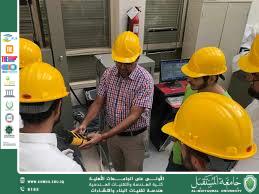
Quality Management in Construction Projects: Concept and Application
Introduction<br />Quality management in construction projects is one of the fundamental factors that contribute to the success of any construction project. It involves more than just ensuring the quality of materials and labor; it also includes the establishment and implementation of procedures and systems that guarantee the project meets the required standards and specifications, thus achieving excellence in performance and results. Given the complex challenges faced by the construction industry, it is essential to adopt quality management concepts and techniques that help improve efficiency, reduce errors, and achieve customer satisfaction.<br /><br />1. The Concept of Quality Management in Construction Projects<br />1.1 Definition of Quality Management<br />Quality management is a set of activities and techniques aimed at improving project processes to achieve satisfactory results in terms of cost, time, and effectiveness. In construction projects, quality management includes ensuring the use of high-quality building materials, selecting skilled work teams, and applying control measures to ensure compliance with standards and specifications.<br /><br />1.2 Importance of Quality Management in Construction<br />Quality management plays a vital role in:<br /><br />Cost Reduction: By avoiding errors and rework, and minimizing the need for costly repairs.<br /><br />Customer Satisfaction: By delivering the project on time and to high quality.<br /><br />Improved Efficiency: By optimizing procedures and reducing waste in time and resources.<br /><br />Risk Mitigation: By identifying issues early and providing solutions before they turn into bigger problems.<br /><br />2. Foundations of Quality Management in Construction Projects<br />2.1 Quality Planning<br />Quality management in construction projects begins with the planning phase, where a clear quality plan is established. This plan includes:<br /><br />Setting Quality Standards: Defining specific standards and specifications for the project, such as material requirements, timeframes, and costs.<br /><br />Assigning Responsibilities: Determining the responsibilities within the project team to ensure standards are met.<br /><br />Time Scheduling: Developing a precise timeline with deadlines for each construction phase.<br /><br />2.2 Quality Control<br />Quality control is applied by inspecting each phase of construction to ensure compliance with specifications:<br /><br />Testing and Inspections: Such as concrete testing, soil analysis, material quality checks, and welding inspections.<br /><br />Regular Site Inspections: Conducting periodic visits to the site to monitor the quality of work at each stage of construction.<br /><br />2.3 Continuous Quality Improvement<br />Quality management also involves continuous improvement of procedures:<br /><br />Performance Analysis: Reviewing performance at each stage to identify any issues or opportunities for improvement.<br /><br />Training and Development: Ongoing training for the workforce to ensure skills and capabilities are continuously enhanced.<br /><br />3. Application of Quality Management in Construction Projects<br />3.1 Setting Quality Standards<br />Construction projects require clear and applicable quality standards for all aspects, from material selection to the final implementation of the work. This includes setting standards for construction such as minimum durability, safety, performance, and environmental specifications.<br /><br />3.2 Using Quality Control Techniques<br />Quality control techniques are employed, such as:<br /><br />Physical and Mechanical Testing: For materials such as concrete, steel, and reinforced concrete to ensure they meet performance standards.<br /><br />Field Inspections: Ensuring that the work performed on-site complies with engineering standards and specifications.<br /><br />3.3 Managing Teams and Suppliers<br />Quality management also requires effective collaboration with suppliers and contractors to ensure that materials and services meet project requirements. By testing materials before they are used in construction, potential mistakes that could affect quality can be avoided.<br /><br />3.4 Documentation and Reporting<br />Documentation and reporting are essential components of quality management. Periodic reports are generated to indicate the progress of the project, document test and inspection results, and address any issues resolved during execution.<br /><br />4. Tools and Methods for Quality Management in Construction<br />4.1 ISO Standards<br />One of the effective tools for quality management in construction is applying international ISO standards, such as ISO 9001, which provides guidelines on how to improve quality systems in organizations and projects.<br /><br />4.2 Project Management Software<br />Many construction companies use specialized software for quality management, such as Procore, Buildertrend, and Aconex, which help organize work, track quality, and conduct continuous reviews.<br /><br />4.3 Continuous Improvement Techniques (Kaizen)<br />Continuous improvement techniques are based on the principle of gradual and ongoing quality enhancement through regular feedback and innovation in work practices.<br /><br />5. Challenges Facing Quality Management in Construction Projects<br />5.1 Coordinating Work Teams<br />One of the biggest challenges in applying quality management is coordinating the different teams on-site, such as laborers, contractors, and suppliers. Effective coordination is essential to ensure the work is completed to high standards.<br /><br />5.2 Dealing with Design Changes<br />Modifying designs after work has started can significantly impact quality and costs. Therefore, it is necessary to have an effective system to handle changes and ensure quality is maintained during execution.<br /><br />5.3 Ensuring Material Quality<br />Construction teams may face challenges in ensuring that all materials used meet the highest standards and specifications, especially when working with multiple suppliers.<br /><br />Conclusion<br />Quality management in construction projects is a critical process aimed at ensuring that the project meets its requirements in terms of efficiency, safety, and performance. Through effective planning, continuous monitoring, and improvement, quality management helps achieve outstanding results, delivering projects on time and within budget. By applying established standards and quality tools, performance can be enhanced, risks minimized, and customer satisfaction maximized, ensuring the success of the construction project.