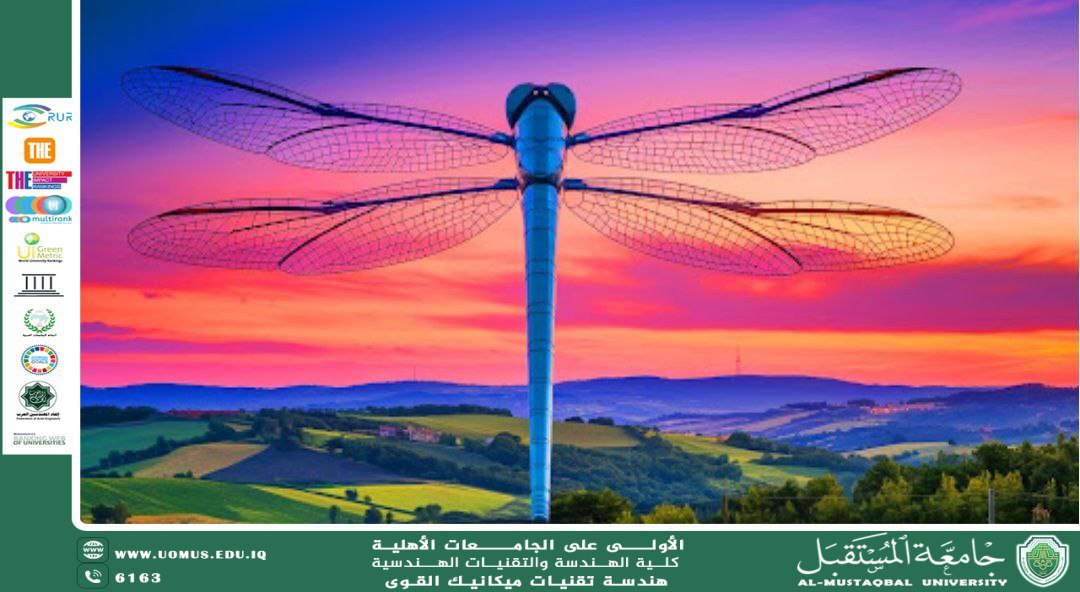
The Dragonfly Wind Turbine: A Biomimicry-Inspired Innovation in Renewable Energy
<br />The Dragonfly Wind Turbine is a cutting-edge development in the field of sustainable energy, inspired by the natural world. Drawing on the unique flight mechanics of dragonflies, this wind turbine concept represents a step forward in both design and efficiency.<br /><br />Biomimicry at Work<br /><br />The concept behind the Dragonfly Wind Turbine is based on biomimicry—the design and production of materials, structures, and systems that are modeled on biological entities. Dragonflies are known for their agility, stability, and the ability to hover or change direction with precision. Engineers and designers have translated these features into a wind turbine that can capture wind energy more efficiently, even in low or variable wind conditions.<br /><br />Design and Functionality<br /><br />Unlike traditional three-blade horizontal-axis wind turbines, the Dragonfly Wind Turbine features multiple lightweight, wing-like blades that mimic a dragonfly’s wings. These blades are designed to move with the wind in a more dynamic and responsive way, reducing resistance and maximizing energy capture. Some versions also include vertical-axis components, allowing them to function in a wider range of environments and wind directions.<br /><br />Key features of the Dragonfly Wind Turbine may include:<br /><br />Lightweight, flexible blades for greater adaptability and lower stress on the structure.<br /><br />Improved aerodynamics that allow for energy generation in areas with less consistent wind.<br /><br />Compact and modular design, making it ideal for urban settings or residential use.<br /><br />Environmental and Economic Impact<br /><br />One of the biggest advantages of the Dragonfly Wind Turbine is its ability to generate power in conditions that would not be viable for traditional turbines. This opens up new possibilities for renewable energy in urban and remote areas, potentially reducing reliance on fossil fuels and expanding the global renewable energy grid.<br /><br />Its design also emphasizes sustainability, often using recyclable or low-impact materials and requiring less maintenance than larger, more complex turbines.<br /><br />Future Potential<br /><br />Still in various stages of development and testing, the Dragonfly Wind Turbine represents a promising avenue for clean energy innovation. As interest in decentralized, eco-friendly power sources grows, biomimetic technologies like this could play a vital role in the global transition to renewable energy. <br /><br />M.Sc Abrar Abdulkareem <br /><br />Al_ mustaqbal university _ the first university in Iraq