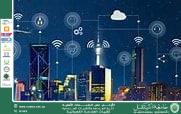
Digital Transformation in the Telecommunications Sector and Its Impact on Electricity Consumption
م.م زهراء عماد <br />Digital Transformation in the Telecommunications Sector and Its Impact on Electricity Consumption<br />The telecommunications industry is undergoing a profound digital transformation, driven by advancements in technology, increased data demand, and the rise of smart services. While this evolution is improving connectivity, efficiency, and innovation, it also brings with it significant implications for energy consumption—particularly in the form of electricity.<br /><br />The Rise of Digital Infrastructure<br />With the widespread adoption of 5G, cloud computing, artificial intelligence, and the Internet of Things (IoT), telecom operators are investing heavily in expanding their digital infrastructure. Data centers, base stations, edge computing nodes, and network equipment now form the backbone of digital telecom services. These components require constant power supply, often operating 24/7, thereby increasing the overall electricity demand of the sector.<br /><br />Increased Power Demand from 5G Networks<br />The rollout of 5G technology, while enabling faster data speeds and lower latency, is also significantly more energy-intensive than previous generations. 5G base stations consume more power due to higher data transmission rates and the need for a denser network of cells. This energy demand can lead to higher operational costs and a greater environmental footprint if not managed efficiently.<br /><br />The Role of Green Technologies<br />To address the rising electricity consumption, many telecom companies are turning to green technologies and sustainable practices. Renewable energy sources such as solar and wind are being integrated into telecom infrastructure, especially in remote or off-grid locations. Additionally, innovations in energy-efficient hardware, AI-based energy management systems, and smart cooling technologies in data centers are helping to reduce electricity use.<br /><br />Smart Grids and Digital Telecom Synergy<br />Digital transformation in telecom is not only increasing energy demand but also contributing to smarter energy management. Telecom networks are essential enablers of smart grid technologies, which optimize electricity distribution and reduce waste. Through real-time data exchange and intelligent control systems, telecom and energy sectors are becoming more interdependent in achieving sustainability goals.<br /><br />Balancing Growth with Sustainability<br />While the digital transformation brings unprecedented opportunities for economic and social progress, it also necessitates a careful balance between growth and sustainability. Energy efficiency must become a core consideration in the design, deployment, and operation of telecom networks. Policy frameworks and industry standards will play a key role in encouraging eco-friendly innovation and responsible energy use.<br /><br />Conclusion<br />The digital transformation of the telecommunications sector is reshaping how we communicate, work, and live. However, its impact on electricity consumption cannot be overlooked. Through a combination of green energy adoption, smart technologies, and sustainable practices, the telecom industry has the potential to lead the way in building a digitally connected yet energy-conscious future.<br />university of al mustaqbal the first university in Iraq