Pollution in Babylon Governorate, Iraq
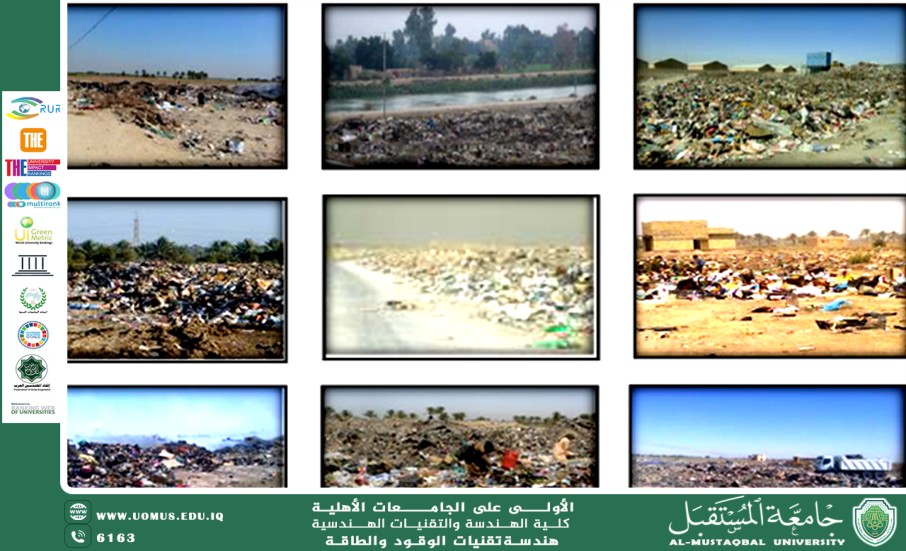
<br />Pollution in Babylon Governorate, Iraq<br />Dr. Malik Mustafa Mohammed<br />1. Introduction<br />Babylon Governorate, located in central Iraq, is renowned for its ancient archaeological sites, including the ruins of Babylon, a UNESCO World Heritage Site. However, rapid urbanization, industrial growth, and inadequate environmental regulations have led to severe pollution, threatening public health, ecosystems, and historical landmarks. This report examines the causes, impacts, and solutions to pollution in the region. <br />2. Current Pollution Landscape<br />- Air Pollution: <br /> - Sources: Vehicle emissions, brick factories, oil refineries, and dust from construction and unpaved roads. <br /> - Key Pollutants: PM2.5, PM10, NOx, and SO₂. <br /> - AQI Levels: Frequently exceeds 150 (unhealthy) due to seasonal dust storms and industrial activity. <br />- Water Pollution: <br /> - Euphrates River Contamination: Polluted by untreated sewage, agricultural runoff (pesticides/fertilizers), and industrial discharge. <br /> - Groundwater Depletion: Over-extraction for farming exacerbates salinity and contamination. <br />- Soil Pollution: <br /> - Agricultural Chemicals: Excessive use of fertilizers and pesticides degrades soil quality. <br /> - **Industrial Waste**: Improper disposal of heavy metals and toxins from factories. <br />- Impact on Heritage Sites: <br /> - Acid rain and particulate matter erode ancient structures like the Ishtar Gate and Hanging Gardens remnants. <br /><br />3. Major Pollution Sources<br />1. Transportation: <br /> - Aging fleet of vehicles (many pre-2000 models) emitting high levels of PM and NOx. <br /> - Poor public transit infrastructure increases reliance on private cars. <br />2. Industry: <br /> - Brick kilns (notoriously polluting) and oil refineries release SO₂ and particulate matter. <br /> - Lack of emission control systems in small-scale factories. <br /><br />3. Agriculture: <br /> - Overuse of chemical fertilizers and pesticides contaminates water and soil. <br /> - Open-field burning of crop residues contributes to air pollution. <br /><br />4. Waste Management: <br /> - Open dumping of municipal and industrial waste, including plastics and toxic materials. <br /> - Limited recycling infrastructure. <br /><br />5. Dust and Sandstorms: <br /> - Desertification and soil erosion amplify airborne particulate matter. <br />4. Health and Environmental Impacts<br />- Human Health: <br /> - Respiratory diseases (asthma, COPD), cardiovascular illnesses, and cancer linked to air pollution. <br /> - Waterborne diseases (e.g., cholera) from contaminated Euphrates water. <br /> - WO estimates 15% of deaths in Iraq are pollution-related. <br /><br />- Ecosystem Damage: <br /> - Loss of biodiversity in the Euphrates River due to chemical runoff. <br /> - Soil degradation reduces agricultural productivity. <br />-Cultural Heritage: <br /> - Corrosion of ancient stone and brick structures by acid rain and pollutants. <br />5. Regulatory and Policy Gap<br />- Weak enforcement of environmental laws (e.g., Iraq’s National Environmental Strategy). <br />- Limited monitoring of industrial emissions and water quality. <br />- Absence of integrated waste management systems. <br />6. Mitigation Strategies <br />1. Air Quality Improvement: <br /> - Modernize brick kilns with cleaner technologies (e.g., zig-zag kilns). <br /> - Promote electric vehicles and expand public transit. <br />2. Water Management: <br /> - Treat sewage and industrial effluent before discharging into the Euphrates. <br /> - Regulate agricultural runoff and promote organic farming. <br /><br />3. Waste Reduction: <br /> - Establish sanitary landfills and recycling programs. <br /> - Ban open burning of waste and crop residues. <br /><br />4. Heritage Protection: <br /> - Install air quality sensors near archaeological sites. <br /> - Use protective coatings on ancient structures to reduce erosion. <br />5. Policy Actions: <br /> - Strengthen Iraq’s Environmental Law (No. 27 of 2009) enforcement. <br /> - Collaborate with UNESCO to safeguard Babylon’s heritage. <br />7. Challenges <br />- Political instability and budget constraints hinder infrastructure projects. <br />- Public awareness of pollution risks remains low. <br />- Climate change intensifies droughts and sandstorms. <br /><br />8. Conclusion<br />Pollution in Babylon Governorate threatens both its people and its priceless heritage. Addressing it requires urgent action to modernize industry, improve waste management, and protect ecosystems. International support and community engagement are critical to balancing development with environmental preservation. <br />Al-Mustaqbal University The First University in Iraq