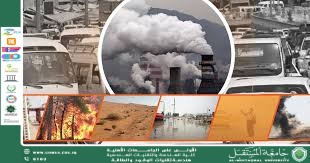
Vehicle Pollution in Baghdad, Iraq
<br />Vehicle Pollution in Baghdad, Iraq<br />Dr. Malik Mustafa Mohammed<br />1. Introduction<br />Baghdad, the capital of Iraq, is a city of over 7 million people grappling with severe air pollution, primarily driven by vehicular emissions. Rapid urbanization, aging vehicle fleets, and inadequate public transportation have intensified the problem, posing significant risks to public health and the environment. This report examines the causes, impacts, and potential solutions to vehicle pollution in Baghdad. <br />2. Current Situation <br />Vehicle Population: Baghdad has over 2 million registered vehicles, many of which are outdated (pre-2000 models) and lack modern emission control systems. <br />- Traffic Congestion: Chronic traffic jams, especially during peak hours, exacerbate idling times, increasing fuel consumption and emissions. <br />- Fuel Quality: Low-quality, high-sulfur diesel and gasoline are commonly used, contributing to higher levels of particulate matter (PM2.5) and nitrogen oxides (NOx). <br />- Regulatory Gaps: Weak enforcement of emission standards and limited vehicle inspection programs hinder pollution control efforts. <br />3. Causes of Vehicle Pollution<br />- Aging Vehicle Fleet: Many vehicles lack catalytic converters, emitting excessive pollutants. <br />- Fuel Standards: Iraq’s fuel has sulfur content up to 100 times higher than European standards. <br />- Public Transport Deficits: Inefficient and unreliable public transit forces reliance on private cars. <br />- Urban Sprawl: Poor city planning and infrastructure encourage longer commutes and <br />4. Effects of Vehicle Pollution <br />- Health Impacts: <br /> - Respiratory diseases (asthma, bronchitis) and cardiovascular conditions are rising, with children and the elderly most vulnerable. <br /> - Baghdad’s air quality index (AQI) frequently exceeds 150 (unhealthy), per WHO guidelines. <br />- Environmental Degradation: <br /> - Smog and acid rain harm green spaces and the Tigris River ecosystem. <br /> - Soil and water contamination from heavy metals in exhaust. <br />- Economic Costs: <br /> - Healthcare expenses and lost productivity due to pollution-related illnesses burden the economy. <br /><br />5. Solutions and Recommendations<br />- Policy Measures: <br /> - Enforce stricter emission standards (e.g., Euro 4/5) and mandate regular vehicle inspections. <br /> - Phase out subsidies for fossil fuels and incentivize cleaner fuels. <br />- Infrastructure Development: <br /> - Expand public transport (e.g., metro systems, electric buses) and promote non-motorized transit (bike lanes, walkways). <br /> - Implement congestion charges and low-emission zones in central Baghdad. <br />- Technological Shifts: <br /> - Promote electric and hybrid vehicles through tax breaks and charging infrastructure. <br /> - Upgrade refineries to produce low-sulfur fuel. <br />- Awareness Campaign: <br /> - Educate citizens on pollution risks and sustainable commuting options. <br />6. Challenges<br />- Political instability and economic constraints hinder long-term planning. <br />- Post-conflict reconstruction priorities often overshadow environmental initiatives. <br />- Cultural preference for private vehicles due to safety concerns and unreliable public transport. <br /><br />7. Conclusion<br />Vehicle pollution in Baghdad is a critical issue demanding urgent, multi-faceted action. Addressing it requires collaboration between policymakers, urban planners, and citizens. By modernizing infrastructure, enforcing regulations, and fostering public awareness, Baghdad can mitigate pollution’s health and environmental toll, paving the way for a sustainable future. <br />Al-Mustaqbal University The First University in Iraq<br />