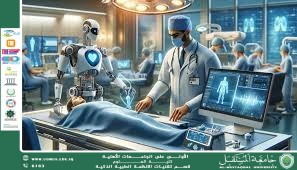
Digital Doctors: Will AI Replace Traditional Physicians?(Asst. Lecturer Ali Salim Haleem)
As AI technologies advance, systems capable of diagnosing diseases, prescribing treatments, and even providing direct health advice to patients have emerged. These smart systems analyze patient data, compare symptoms against massive databases, and deliver accurate diagnoses within seconds.<br />Despite the high accuracy that AI can offer, it still serves as an assistant rather than a replacement for human doctors. Human interaction, emotional intelligence, and the ability to read social and psychological contexts remain exclusive strengths of humans, difficult for machines to replicate fully.<br />In the future, digital doctors will become essential partners to human physicians, complementing their work and boosting healthcare service quality. The main challenge will be achieving a perfect balance between cutting-edge technology and the irreplaceable human touch in healthcare.<br />