The Impact of Artificial Intelligence on Patient Safety and the Healthcare Workforce(Huda Khudair Hani).
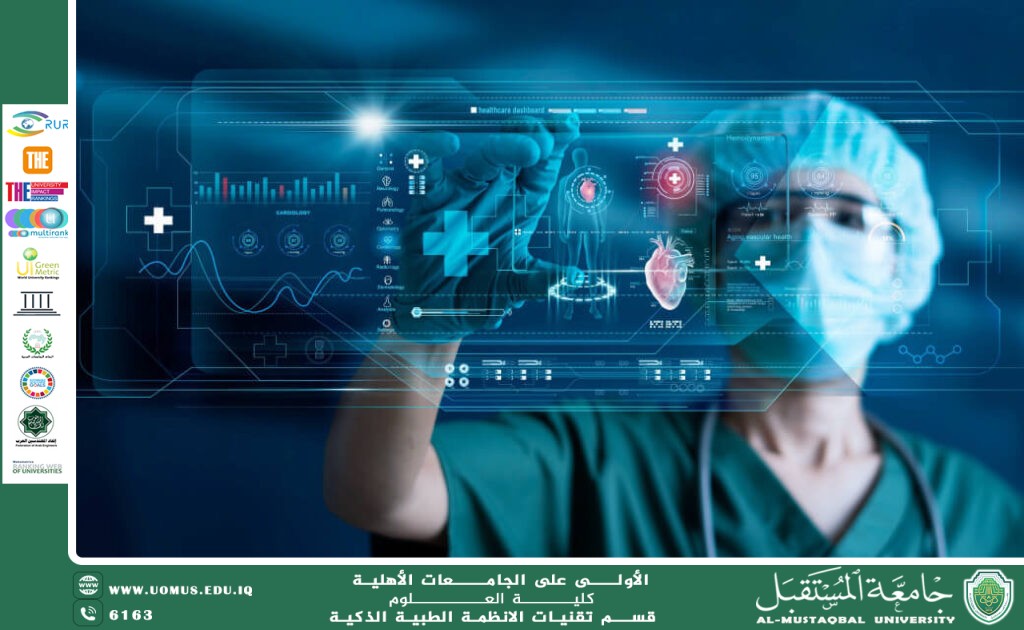
<br />Artificial intelligence has brought about a significant transformation in the concept of patient safety, which is one of the core goals of any effective healthcare system. Deep learning technologies and computer vision algorithms are used to monitor vital signs, analyze medical images, and predict potential complications, thus providing opportunities for early intervention and prevention before harm occurs.<br /><br />For example, AI algorithms are used for the automatic detection of abnormal patterns in ECGs or radiological scans, improving accuracy and reducing errors caused by human factors. These tools also contribute to monitoring dangerous drug interactions and analyzing clinical data to derive precise treatment recommendations.<br /><br />In parallel, the healthcare workforce is undergoing fundamental changes in the nature of their roles. As routine and analytical tasks are gradually being transferred to intelligent systems, human competencies have become more focused on interactive and complex aspects of care. These transformations have led to reduced workloads, improved working conditions, and decreased professional burnout, which was a major contributor to declining service quality.<br /><br />Despite initial concerns about job losses due to automation, the general trend in Europe leans toward redefining roles rather than eliminating them. The need for healthcare professionals with digital skills is growing, enabling them to work alongside intelligent systems, opening up new prospects for sustainable professional development.<br /><br />Al-Mustaqbal University is the first University in Iraq.