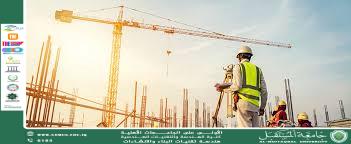
Quality Management in Construction Projects: Ensuring Execution to the Highest Standards
Quality management is one of the fundamental pillars that ensure the success of construction projects. Effective quality management contributes to improved performance, reduced costs, compliance with specifications and technical requirements, and the avoidance of errors and issues during construction. In this article, we will explore the importance of quality management in construction projects, the key challenges involved, and the best practices to ensure projects are executed to the highest quality standards.<br /><br />1. Importance of Quality Management in Construction Projects<br />Quality management in construction focuses on monitoring and evaluating the processes and activities involved in a project to ensure that the final results align with predetermined standards. Its importance can be summarized as follows:<br /><br />A. Ensuring Compliance with Standards and Requirements<br />One of the primary goals of quality management is to ensure the project complies with approved specifications and standards. This requires precise planning and continuous coordination between all project teams to avoid violations that may affect the final result.<br /><br />B. Reducing Costs and Waste<br />By effectively applying quality standards, errors that may result in rework or modifications are minimized, which in turn reduces unnecessary costs. Quality control also helps reduce material and time wastage.<br /><br />C. Enhancing On-site Safety<br />Quality management is not limited to the technical aspects of a building; it also includes safety. Providing a safe working environment reduces the risk of accidents and injuries, improving productivity and increasing worker satisfaction.<br /><br />D. Boosting Client Satisfaction<br />Delivering a construction product that meets high-quality standards enhances client satisfaction and trust. This helps improve a company's reputation and increases future business opportunities.<br /><br />2. Challenges in Quality Management for Construction Projects<br />Despite its importance, construction quality management faces several challenges that can affect its effectiveness:<br /><br />A. Coordination Between Diverse Teams<br />Construction projects often require coordination among various teams, including engineers, contractors, suppliers, and inspectors. Poor coordination can lead to execution errors or failure to meet specifications.<br /><br />B. Variability in Material and Supplier Quality<br />Fluctuations in the quality of construction materials can impact the final product. Low-quality or non-compliant materials may result in structural issues or reduced durability.<br /><br />C. Time and Budget Pressures<br />Construction teams frequently face intense pressure to complete work on time and within budget. This may lead to the bypassing of certain quality protocols or neglect of detailed procedures.<br /><br />D. Lack of Adequate Training<br />Training is crucial to the successful implementation of quality management. If engineering or labor teams are not adequately trained, this may lead to inefficient or substandard work.<br /><br />3. Best Practices for Quality Management in Construction<br />To successfully manage quality in construction projects, companies should follow a range of integrated practices aimed at improving all aspects of execution:<br /><br />A. Developing a Quality Management Plan<br />Every construction project should begin with a comprehensive Quality Management Plan. This plan outlines technical standards and requirements, monitoring mechanisms, and ongoing documentation procedures. It helps define clear goals and performance metrics for the duration of the project.<br /><br />B. Training and Developing the Team<br />Training team members on quality standards is essential. All personnel involved—from engineers to laborers—should be well-versed in how to apply quality procedures in their daily tasks.<br /><br />C. Continuous Quality Monitoring<br />Ongoing quality monitoring is vital to ensure all work is performed in accordance with established standards. Regular inspections and audits should be conducted to assess material quality, workmanship, and overall performance.<br /><br />D. Leveraging Technology in Quality Management<br />Modern technologies play a key role in improving quality management. Tools like Building Information Modeling (BIM) and project management software help monitor quality and ensure technical compliance with project plans.<br /><br />E. Post-Construction Performance Evaluation<br />It’s important to evaluate the project's quality after completion. This assessment reveals whether the execution met the required specifications and identifies any errors for future learning and improvement.<br /><br />4. Conclusion<br />Quality management is a core element of construction project success and sustainability. By following best practices in planning, execution, and ongoing monitoring, construction projects can meet the highest standards, improve customer satisfaction, reduce costs, and increase efficiency. Despite the many challenges, focusing on quality is one of the key factors in enhancing a company’s reputation and long-term success in the market.