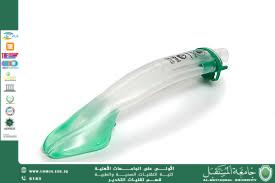
I-gel: A Modern Marvel in Airway Management
In the fast-paced and critical world of emergency medicine, anesthesia, and resuscitation, securing a patient's airway is paramount. For decades, the endotracheal tube (ETT) reigned supreme as the gold standard. However, the development and increasing adoption of supraglottic airway (SGA) devices have revolutionized airway management, offering less invasive and often quicker alternatives. Among these innovative tools, the I-gel stands out as a particularly user-friendly and effective option.<br /><br /><br />The I-gel, developed by Intersurgical, is a single-use, anatomically shaped SGA device designed to create a non-inflatable seal around the laryngeal inlet. Unlike traditional laryngeal mask airways (LMAs) that rely on an inflatable cuff, the I-gel utilizes a thermoplastic elastomer (TPE) material that is soft, gel-like, and conforms to the patient's unique anatomy. This unique design offers several key advantages that have contributed to its widespread popularity.<br />Key Features and Benefits of the I-gel:<br /> A. Anatomical Design: The shape of the I-gel is meticulously crafted based on extensive anatomical studies. Its non-inflatable cuff mirrors the contours of the pharynx, larynx, and per laryngeal structures, aiming for an optimal and secure seal with minimal pressure.<br /> B. Ease of Insertion: The smooth, pre-lubricated surface and the anatomically correct shape facilitate rapid and often blind insertion. This is particularly crucial in emergency situations where time is of the essence and visualization of the airway may be challenging. Many users report a shorter learning curve compared to traditional LMAs.<br /> C. Reduced Risk of Trauma: The soft, gel-like material and the absence of an inflatable cuff minimize the potential for pressure-related trauma to the delicate tissues of the airway. This can lead to a reduced incidence of sore throat and other post-operative complications.<br /> D. Effective Seal: Despite the lack of inflation, the I-gel's anatomical design and the conforming nature of the TPE material create a reliable seal, allowing for positive pressure ventilation. Studies have demonstrated its effectiveness in maintaining adequate airway pressure.<br /> E. Gastric Access Channel: Many I-gel models incorporate a dedicated gastric access channel. This allows for the insertion of a nasogastric tube to decompress the stomach, reducing the risk of aspiration, particularly in non-fasted patients.<br /> F. Bite Block Integration: The I-gel features an integrated bite block, protecting the airway and preventing occlusion caused by the patient biting down.<br /> G. Single-Use Design: Being a single-use device eliminates the risk of cross-contamination and ensures sterility for each patient.<br /> H. Various Sizes: The I-gel is available in a range of sizes, catering to different patient populations from neonates to adults, ensuring appropriate fit and effective airway management.<br /><br /><br /><br /><br />Clinical Applications of the I-gel:<br />The versatility and ease of use of the I-gel have made it a valuable tool in various clinical settings:<br /> • Anesthesia: As an alternative to endotracheal intubation for routine and short surgical procedures, particularly in spontaneously breathing patients or those requiring positive pressure ventilation with lower airway pressures.<br /> • Emergency Medicine: In pre-hospital settings and emergency departments for rapid airway management in unconscious patients, including those with trauma or cardiac arrest. Its ease of insertion is a significant advantage in challenging situations.<br /> • Resuscitation: As a primary airway device during cardiopulmonary resuscitation (CPR), providing a secure airway for ventilation.<br /> • Difficult Airway Management: As a rescue device in situations where tracheal intubation has failed or is deemed difficult.<br /> • Pediatric Airway Management: Specially sized I-gels are available for children, offering a less invasive alternative to tracheal intubation in certain circumstances.<br /><br /><br /><br />Limitations and Considerations:<br />While the I-gel offers numerous advantages, it's important to acknowledge its limitations:<br /> • Aspiration Risk: While the gastric access channel can help, the I-gel does not provide the same level of airway protection against aspiration as a properly placed and cuffed endotracheal tube. It may not be the ideal choice for patients at high risk of aspiration.<br /> • High Airway Pressure Ventilation: In situations requiring very high airway pressures, the seal provided by the I-gel might be less reliable than that of a cuffed ETT.<br /> • Surgical Procedures Requiring Complete Airway Control: For certain surgical procedures where complete airway control and muscle relaxation are necessary, an endotracheal tube remains the preferred option.<br />Conclusion:<br />The I-gel represents a significant advancement in supraglottic airway management. Its innovative anatomical design, ease of insertion, and reduced risk of trauma have made it a widely adopted and highly regarded device among healthcare professionals worldwide. While it may not entirely replace the endotracheal tube in all situations, the I-gel has undoubtedly expanded the options available for securing a patient's airway, ultimately contributing to improved patient safety and outcomes in a variety of clinical settings. As research and clinical experience continue to evolve, the I-gel will likely remain a cornerstone of modern airway management strategies.<br /><br />د.نهى نوماس<br />Al-Mustaqbal University is the first university in Iraq<br /><br /><br />