The Precision Breath: Understanding the Venturi Mask in Oxygen Therapy
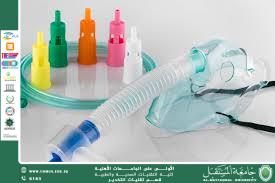
<br />In the term of respiratory care, delivering precise and controlled oxygen concentrations is paramount for effective patient management. Among the various oxygen delivery devices available, the Venturi mask stands out as a reliable and accurate tool for achieving this critical goal. Often recognized by its colorful adapters, the Venturi mask offers a level of control that distinguishes it from simpler oxygen delivery systems.<br />The Science Behind the Precision:<br />The magic of the Venturi mask lies in the Venturi effect, a principle of fluid dynamics. The mask is designed with a narrow orifice or jet through which oxygen flows at a high velocity. As this high-speed oxygen stream passes through the constricted opening, it creates a region of negative pressure around the jet. This negative pressure then entrains (draws in) room air through specifically sized openings or ports located on the mask's body.<br /><br /><br /><br />The key to the Venturi mask's accuracy lies in the fixed size of both the oxygen jet and the air entrainment ports. Each colored adapter on the mask corresponds to a specific combination of these sizes. This precise engineering ensures that a predictable ratio of oxygen to room air is inhaled by the patient, resulting in a consistent and predetermined fraction of inspired oxygen (FiO2).<br /><br />Key Features and Benefits:<br /> • Precise and Predictable FiO2: This is the hallmark of the Venturi mask. Unlike nasal cannulas or simple face masks where the FiO2 can vary depending on the patient's breathing pattern and flow rate, the Venturi mask delivers a consistent oxygen concentration regardless of these factors. Common FiO2 ranges achievable with Venturi masks include 24%, 28%, 31%, 35%, 40%, and 50%.<br /> • Color-Coded Adapters: Each specific FiO2 setting is associated with a distinct color-coded adapter. This standardization makes it easy for healthcare professionals to quickly identify and select the correct oxygen concentration for the patient.<br /> • Suitable for Patients with Irregular Breathing Patterns: Due to its ability to deliver a consistent FiO2, the Venturi mask is particularly beneficial for patients with unstable or irregular breathing patterns where other low-flow devices might deliver inconsistent oxygen levels.<br /> • Lower Risk of Carbon Dioxide Retention: In patients with chronic obstructive pulmonary disease (COPD) who are sensitive to high oxygen concentrations, the precise control offered by the Venturi mask is crucial. Delivering excessively high oxygen levels can suppress their hypoxic drive to breathe, leading to carbon dioxide retention. The Venturi mask allows for the delivery of lower, controlled oxygen concentrations, minimizing this risk.<br /><br />Clinical Applications:<br />The Venturi mask finds widespread use in various clinical scenarios, including:<br /> • Management of COPD: As mentioned earlier, it is a preferred device for delivering controlled low-flow oxygen to COPD patients.<br /> • Patients with Acute Respiratory Distress Syndrome (ARDS): While often requiring higher levels of respiratory support, Venturi masks can be used in the initial stages or for patients requiring lower to moderate FiO2.<br /> • Weaning from Mechanical Ventilation: As patients improve and are weaned from ventilators, Venturi masks can provide a stable and controlled transition to independent breathing with supplemental oxygen.<br /> • Diagnostic Purposes: In some cases, a Venturi mask might be used to deliver a specific FiO2 for diagnostic tests assessing the patient's respiratory function.<br />Important Considerations:<br />While the Venturi mask offers significant advantages, it's important to consider the following:<br /> • Higher Flow Rates: To achieve the Venturi effect and entrain sufficient room air, these masks typically require higher oxygen flow rates from the oxygen source compared to nasal cannulas.<br /> • Comfort and Compliance: Some patients may find the tight fit of the mask uncomfortable, potentially leading to reduced compliance.<br /> • Interference with Eating and Talking: Like other face masks, the Venturi mask obstructs the mouth, making eating and clear communication challenging.<br /> • Humidity: The dry, high-flow oxygen can sometimes cause dryness of the mucous membranes. Humidification may be necessary, especially with prolonged use.<br />Conclusion:<br />The Venturi mask remains a cornerstone in oxygen therapy due to its ability to deliver precise and predictable oxygen concentrations. Its reliance on the Venturi effect and the standardization offered by color-coded adapters make it a valuable tool for managing a diverse range of respiratory conditions, particularly those requiring careful control of the inspired oxygen level. Understanding the principles behind its function and its clinical applications empowers healthcare professionals to provide optimal respiratory care for their patients.<br /><br /><br />د.نهى نوماس<br />Al-Mustaqbal University is the first university in Iraq<br /><br /><br />