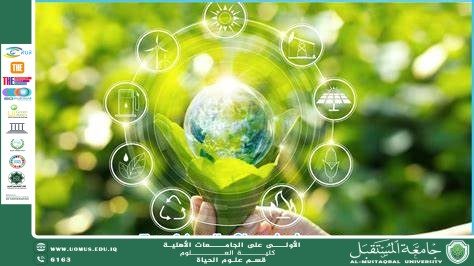
A scientific article by Ms. Nour El-Huda Azmi Hassan entitled "The Role of biology in Developing Environmentally Friendly Bio-Alternatives in the Chemical Industries"
<br /><br />In recent decades, conventional chemical industries have faced increasing pressure to reduce their environmental impacts, due to the air, water, and soil pollution they cause, along with the depletion of non-renewable resources they deplete. In this context, life sciences are emerging as a powerful scientific lever contributing to the development of sustainable and environmentally friendly bio-alternatives, collectively known as "green chemistry" or "industrial biotechnology."<br /><br />From Traditional Chemistry to Sustainable Biochemistry<br />Conventional chemical industries rely on thermal and physical processes that consume high energy and produce toxic waste. biology—including molecular biology, biotechnology, and microbiology—offer alternative solutions based on the use of living organisms or their natural products in chemical reactions.<br /><br />One prominent example is the use of enzymes as biocatalysts instead of conventional chemical catalysts. Enzymes operate under moderate conditions of temperature and pressure and produce less waste, significantly reducing their environmental impact.<br /><br />Industrial Applications of Bio-based Alternatives<br />Here are some areas where life sciences have proven their worth in supporting the chemical industry:<br /><br />Bio-based polymer production: such as polylactic acid (PLA), extracted from corn, which is used as an alternative to conventional plastics.<br /><br />Bio-based solvents: such as bioethanol and butanol, which are alternatives to toxic petrochemical solvents.<br /><br />Bio-based pesticides and fertilizers: produced from beneficial bacteria and fungi instead of harmful chemical compounds.<br /><br />Microbial fermentation: to produce organic acids, industrial enzymes, and vitamins in a clean and sustainable manner.<br /><br />Environmental and Social Impact<br />The shift toward bio-based alternatives contributes to reducing the carbon footprint, preserving human health, and reducing the costs of environmentally responsible treatment of industrial waste. It also opens new avenues for innovation and creates job opportunities in the fields of biotechnology and scientific research.<br /><br />Challenges and Future Prospects<br />Despite the significant benefits, bio-based alternatives face challenges related to cost, industrial production scale, and the need for advanced technologies in genetic fermentation and biological design. However, rapid advances in genetic engineering, nanotechnology, and machine learning promise great potential for scaling these solutions in the near future.<br /><br />al Mustaqbal University is the first university in Iraq.