The Carbon Footprint in Baghdad Governorate, Iraq
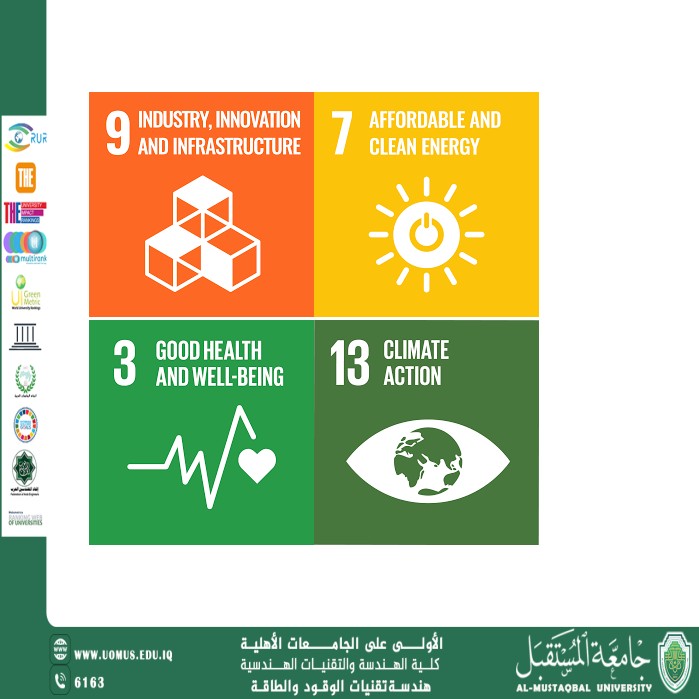
<br />SDG 3 Good health and well-being<br />SDG 7: Affordable and clean energy<br />SDG 9Industry, innovation and infrastructure<br />SDG 13 Climate action<br />Dr. Malik Mustafa Mohammed<br />The Carbon Footprint in Baghdad Governorate, Iraq<br />Introduction<br />Baghdad, the capital of Iraq and one of the most populous cities in the Middle East, faces significant environmental challenges due to rapid urbanization, industrial activity, and reliance on fossil fuels. As outlined in the research document *Green Hydrogen Production* by Zaid Mohammed Hussein et al., addressing carbon emissions is critical for mitigating climate change and transitioning to sustainable energy systems. This report evaluates the carbon footprint of Baghdad Governorate, focusing on key contributors such as transportation, energy production, industrial activities, and waste management. It also explores potential strategies for reducing emissions through renewable energy adoption and green hydrogen production.<br />Key Contributors to Baghdad's Carbon Footprint<br />1. Energy Production<br />- Reliance on Fossil Fuels: Iraq’s energy sector is heavily dependent on fossil fuels, particularly oil and natural gas. Power plants in Baghdad predominantly use natural gas and heavy fuel oil, which are significant sources of CO₂ emissions.<br />- Inefficient Energy Infrastructure: Aging power plants and inefficient grid systems result in high energy losses and increased carbon intensity per unit of electricity generated.<br />- Electricity Shortages and Backup Generators: Frequent power outages lead to widespread use of diesel-powered generators, further exacerbating local air pollution and greenhouse gas (GHG) emissions.<br />2. Transportation<br />- Vehicle Emissions: Baghdad has a rapidly growing fleet of vehicles, many of which are older models with poor fuel efficiency and inadequate emission controls. The lack of stringent vehicle emission standards contributes significantly to urban air pollution.<br />- Public Transportation Gaps: Limited public transportation infrastructure forces residents to rely on private cars, increasing traffic congestion and associated emissions.<br />- Fuel Quality: Substandard fuel quality, characterized by high sulfur content, worsens tailpipe emissions and impacts air quality.<br />3. Industrial Activities<br />- Manufacturing and Construction: Industries such as cement production, steel manufacturing, and construction contribute substantially to Baghdad’s carbon footprint. These sectors often operate using outdated technologies that are not energy-efficient.<br />- Oil Refineries: The presence of oil refineries within or near Baghdad adds to localized emissions, including methane leaks, flaring, and other GHGs.<br />4. Waste Management<br />- Open Burning of Waste: Inadequate waste management practices, including open burning of municipal solid waste, release harmful pollutants and GHGs like methane and CO₂ into the atmosphere.<br />- Landfill Methane Emissions: Poorly managed landfills emit methane, a potent GHG, due to the anaerobic decomposition of organic waste.<br /> 5. Residential Sector<br />- Heating and Cooling: High demand for heating during winter and cooling during summer leads to increased energy consumption, primarily met by fossil-fuel-based electricity generation.<br />- Cooking Fuels: Many households still rely on liquefied petroleum gas (LPG) or kerosene for cooking, contributing to direct emissions.<br />Quantitative Assessment of Carbon Emissions<br />While specific data on Baghdad’s carbon footprint may be limited, estimates can be derived from national averages and global benchmarks:<br />- Per Capita Emissions: Iraq’s per capita CO₂ emissions are approximately 6–7 metric tons annually, higher than the global average of 4.8 metric tons. Given Baghdad’s population density and economic activity, its per capita emissions likely exceed this figure.<br />- Sectoral Breakdown:<br /> - Energy Production: ~40% of total emissions.<br /> - Transportation: ~25%.<br /> - Industrial Activities: ~20%.<br /> - Waste Management: ~10%.<br /> - Residential Sector: ~5%. <br />Environmental and Health Impacts<br />Air Quality Deterioration<br />- Elevated levels of particulate matter (PM2.5 and PM10), nitrogen oxides (NOₓ), and sulfur dioxide (SO₂) pose serious health risks, including respiratory diseases and cardiovascular conditions.<br />- According to the World Health Organization (WHO), Baghdad frequently exceeds safe air quality thresholds, impacting millions of residents.<br />Climate Vulnerability<br />- Rising temperatures and reduced rainfall patterns linked to climate change threaten agricultural productivity and water security in Baghdad and surrounding areas.<br />- Increased frequency of dust storms, exacerbated by desertification and soil degradation, compounds air quality issues.<br />Strategies for Reducing Carbon Footprint<br />1. Transition to Renewable Energy<br />- Solar and Wind Power: Baghdad benefits from abundant sunlight and wind resources. Large-scale deployment of solar photovoltaic (PV) systems and wind farms could displace fossil fuel-based electricity generation.<br />- Green Hydrogen Production: As highlighted in the referenced research, green hydrogen produced via water electrolysis powered by renewable energy offers a zero-emission alternative for various applications, including industry and transportation.<br />2. Improving Energy Efficiency<br />- Grid Modernization: Upgrading transmission and distribution networks to reduce energy losses.<br />- Building Retrofits: Implementing energy-efficient designs and materials in residential and commercial buildings.<br />3. Sustainable Transportation<br />- Electrification of Public Transport: Transitioning buses and taxis to electric vehicles (EVs) powered by renewable energy.<br />- Promoting Non-Motorized Transport: Developing pedestrian-friendly infrastructure and cycling lanes.<br />4. Enhanced Waste Management<br />- Recycling Programs: Establishing robust recycling initiatives to divert waste from landfills.<br />- Biogas Capture: Installing biogas recovery systems at landfills to utilize methane for energy production.<br />5. Policy Interventions<br />- Emission Standards: Enforcing stricter vehicle emission standards and promoting cleaner fuels.<br />- Carbon Pricing: Introducing mechanisms such as carbon taxes or cap-and-trade systems to incentivize emission reductions.<br />Conclusion<br />Baghdad Governorate faces a substantial carbon footprint driven by its reliance on fossil fuels, inefficient energy systems, and inadequate waste management practices. Addressing these challenges requires a multi-pronged approach involving renewable energy adoption, energy efficiency improvements, sustainable transportation solutions, and enhanced waste management. Green hydrogen, as explored in the referenced research, holds immense potential to decarbonize key sectors while fostering economic growth and job creation.<br />By prioritizing sustainability and investing in clean technologies, Baghdad can mitigate its carbon footprint, improve air quality, and contribute to Iraq’s broader climate goals under international agreements like the Paris Accord. Immediate action is imperative to safeguard public health, protect the environment, and ensure a resilient future for generations to come.<br />References<br />1. Zaid Mohammed Hussein et al., Green Hydrogen Production, AL-Mustaqbal University College, 2025.<br />2. International Energy Agency (IEA). "Iraq Energy Outlook."<br />3. World Health Organization (WHO). "Ambient Air Pollution Database."<br />Al-Mustaqbal University The First University in Iraq<br /><br />