How Does the Brain Learn? A Scientific Look at the Learning Process
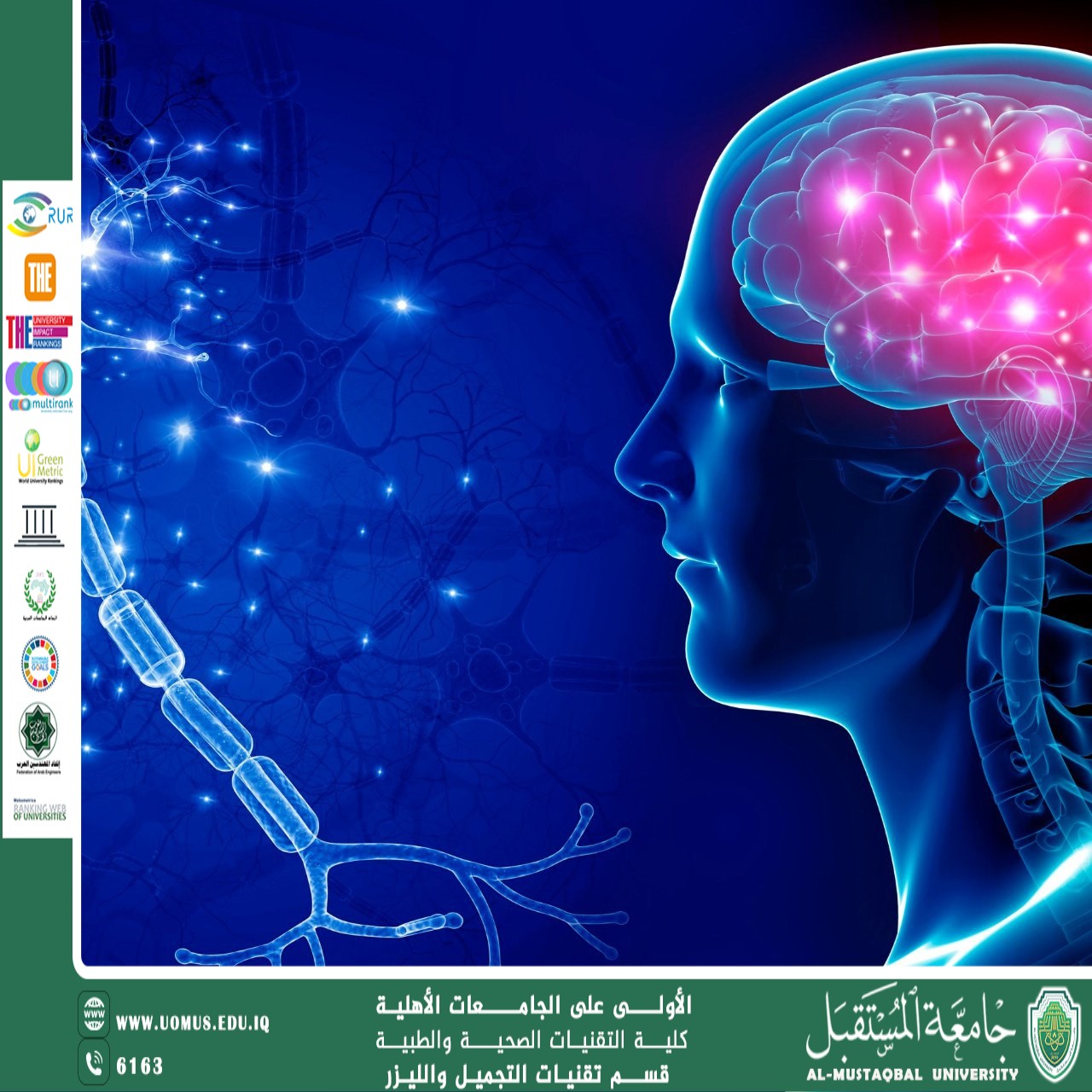
Introduction<br />From the moment we are born, our brains begin receiving information from the environment and begin forming new memories and skills. But how does this complex process take place? What happens inside the brain when we memorize information or learn a new skill? This article explains, in a simplified scientific manner, how the brain works during learning.<br />First: The Brain, the Center of Learning<br />The human brain contains approximately 86 billion neurons, the basic communication units of the nervous system. Each neuron connects to thousands of other cells through connections called synapses. Whenever we learn something new, these connections become stronger or new ones are created, a process known as neuroplasticity.<br />Second: How Do We Store Information?<br />When we learn, electrical and chemical signals are sent between neurons, leading to changes in neural networks. There are two types of memory:<br />Short-term memory: This memory holds information for seconds or minutes (such as a temporary phone number).<br /> Long-term memory: Information is stored for weeks or years and is consolidated through repetition and good sleep.<br />Third: The Role of Emotions and Attention<br />Emotions and attention greatly influence learning. When we have a strong motivation or feeling associated with a particular piece of information, the brain considers it important and increases the likelihood of storing it in long-term memory. Focus and attention also help direct mental resources to process the information effectively.<br />Fourth: Sleep and Learning<br />During sleep, especially in deep sleep, the brain "replays" the information it learned during the day. This process is known as consolidation and is essential for converting information from temporary to long-term memory.<br />Fifth: How Can We Improve Learning?<br />According to studies, the learning process can be improved through:<br />Regular repetition of information.<br />Using more than one sense (hearing, sight, touch).<br />Adequate sleep.<br />Exercise, which stimulates the release of beneficial brain chemicals.<br />Breaking up information into smaller chunks for easier assimilation.<br /> Conclusion<br />Learning is not just memorization; it is a complex biological process involving the interaction of neurons, chemicals, and psychological and environmental factors. With the advancement of neuroscience, we have gained a deeper understanding of how the brain works, helping us improve teaching and training methods in our daily lives.<br /><br /><br />Al _ Mustaqbal University, the first university in Iraq<br />Prepared by: Shahad Nawras Abbas<br />