Climate Action in Babylon Governorate, Iraq
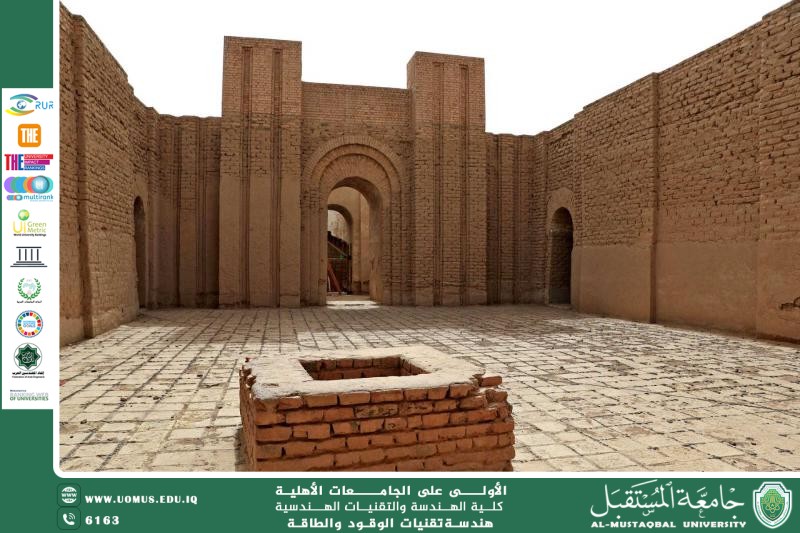
SDG 3 Good health and well-being<br /> SDG 7: Affordable and clean energy<br /> SDG 9 Industry, innovation and infrastructure<br />SDG 11 Sustainable cities and economies<br />Climate Action in Babylon Governorate, Iraq <br />Dr. Malik Mustafa Mohammed<br />1. Introduction <br />Babylon Governorate, a region of historical and agricultural significance in central Iraq, faces escalating climate challenges. As a semi-arid zone, it is highly vulnerable to the impacts of climate change, including rising temperatures, water scarcity, and desertification. This report examines Babylon’s alignment with Sustainable Development Goal 13 (Climate Action), highlighting local climate risks, mitigation efforts, and barriers to progress. <br />2. Climate Change Impacts in Babylon<br />Key Challenges: <br />1. Temperature Rise: <br /> - Average temperatures have increased by 1.5–2°C since 1990, with extreme summer heatwaves (exceeding 50°C) becoming frequent. <br />2. Water Scarcity: <br /> - The Euphrates River, Babylon’s primary water source, has seen reduced flow due to upstream damming (e.g., Turkey’s Ilisu Dam) and declining rainfall. <br /> - Groundwater levels have dropped by 30–50% in two decades, worsening irrigation shortages. <br />3. Agricultural Decline: <br /> - Droughts and soil salinity have reduced crop yields, threatening livelihoods in a governorate where 40% of the population relies on farming. <br />4. Dust Storms: <br /> - Frequency of dust storms has tripled since 2000, driven by desertification and poor land management, worsening air quality (AQI often exceeds 300). <br />5. Threat to Heritage: <br /> - Climate-induced erosion and pollution threaten Babylon’s ancient ruins, a UNESCO World Heritage Site. <br />3. Progress Toward SDG 13 Targets<br />Local Initiatives: <br />- Renewable Energy: <br /> - Pilot solar energy projects in rural areas to reduce diesel dependence (e.g., solar-powered irrigation pumps). <br />- Sustainable Agriculture: <br /> - Promotion of drought-resistant crops (e.g., barley) and drip irrigation systems to conserve water. <br />- Reforestation: <br /> - Community-led tree-planting campaigns to combat desertification (e.g., 10,000 trees planted in 2023). <br />- Policy Integration: <br /> - Iraq’s National Development Plan (2023–2027) includes climate adaptation strategies, though implementation in Babylon remains slow. <br />Awareness Programs: <br />- Workshops by NGOs (e.g., UNDP Iraq) to educate farmers on climate-smart practices. <br />4. Barriers to Achieving SDG 13 <br />1. Political and Economic Instability: <br /> - Conflict and governance gaps hinder long-term climate planning. <br />2. Funding Shortages: <br /> - Limited budget allocation for green infrastructure and adaptation projects. <br />3. Dependence on Fossil Fuels: <br /> - Over 90% of Iraq’s energy comes from oil, delaying the transition to renewables. <br />4. Population Pressure: <br /> - Rapid urbanization increases demand for scarce resources like water and energy. <br />5. Recommendations for Climate Action<br />1. Strengthen Water Management: <br /> - Invest in wastewater recycling and modern irrigation systems. <br />2. Expand Renewable Energy: <br /> - Scale up solar energy projects to power agricultural and urban sectors. <br />3. Protect Heritage Sites: <br /> - Use climate-resilient materials to preserve Babylon’s archaeological ruins. <br />4. International Collaboration: <br /> - Partner with global organizations (e.g., UNESCO, FAO) for technical and financial support. <br />5. Community Engagement: <br /> - Train farmers in sustainable practices and establish early warning systems for dust storms. <br />6. Conclusion <br />Babylon Governorate exemplifies the urgent need for climate action in vulnerable regions. While local efforts are underway, achieving SDG 13 requires coordinated policies, increased funding, and community participation. Addressing these challenges will safeguard both Babylon’s heritage and its future as a livable, sustainable region. <br />Al-Mustaqbal University The First University in Iraq<br />