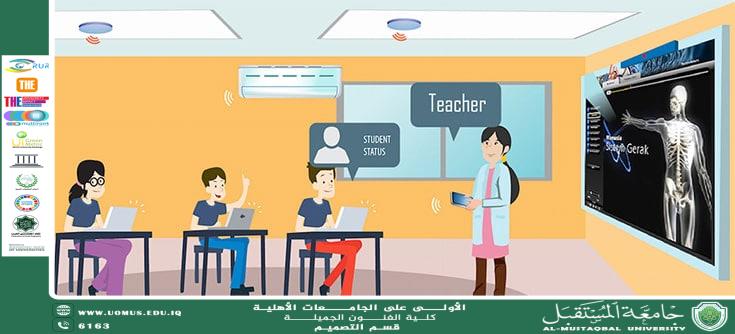
An Article "Student Experience in Smart Learning Environments: A Case Study in Iraqi Universities" By programmer fatima hussien jawad
In recent years, Iraqi universities have increasingly moved toward integrating technology into education, resulting in the emergence of smart learning environments powered by tools such as artificial intelligence, learning management systems, educational analytics, and interactive platforms. These environments aim to enhance education quality and make it more adaptive and engaging for students.<br /><br />Based on case studies conducted in several Iraqi universities, findings indicate that students experience greater engagement, faster access to information, and personalized learning tailored to their level and progress. Many students reported satisfaction with systems that provide immediate feedback, flexible class scheduling, and multimedia educational resources.<br /><br />However, challenges remain, including weak digital infrastructure in some universities and limited technical skills among students and faculty. These obstacles, though, can be overcome through continuous training programs and strategic investment in educational technology infrastructure.<br /><br />This shift toward smart learning environments directly supports Sustainable Development Goal 4 (Quality Education), which calls for inclusive and equitable quality education and lifelong learning opportunities for all. Smart education in Iraq paves the way for students to access better learning opportunities, ultimately contributing to academic development and sustainable growth.<br /><br />Al-Mustaqbal University the first university of Iraq .