The Art of Time Management in Personal and Professional Life
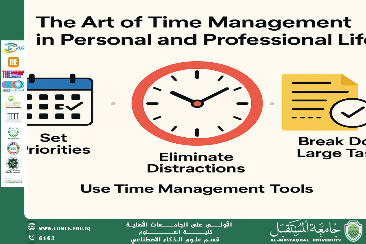
The Art of Time Management in Personal and Professional Life<br /><br />Time is one of the most valuable resources a person possesses, yet many struggle to use it effectively. Mastering the art of time management is not just about completing tasks; it’s about achieving a balance between professional responsibilities and personal life, while maintaining both efficiency and mental well-being.<br /><br />The Importance of Time Management<br /><br />Effective time management helps:<br /> • Increase productivity at work<br /> • Reduce stress and pressure<br /> • Improve overall quality of life<br /> • Enhance a sense of accomplishment and self-confidence<br /> • Free up time for family, hobbies, and self-development<br /><br />Practical Steps for Managing Time<br /> 1. Set Priorities:<br />Start by identifying the most urgent and important tasks. Use the “Eisenhower Matrix” to categorize tasks based on importance and urgency.<br /> 2. Create Daily and Weekly Plans:<br />Write a clear schedule and allocate time blocks for both large and small tasks. Keep your plan flexible enough to adapt to unexpected events.<br /> 3. Eliminate Distractions:<br />Recognize your main sources of distraction—like your phone or social media—and set boundaries to control their use during productive hours.<br /> 4. Break Down Large Tasks:<br />Divide big tasks into smaller steps. This makes starting easier and reduces procrastination.<br /> 5. Learn to Say “No”:<br />Taking on too many tasks—especially unimportant ones—can overwhelm you. Practice saying “no” politely but firmly.<br /> 6. Use Time Management Tools:<br />Use apps like Google Calendar or Trello to plan, track, and manage tasks efficiently.<br /><br />Balancing Personal and Professional Life<br /><br />It’s crucial that your professional life doesn’t overshadow your personal time. Make space for rest, sufficient sleep, and enjoyable activities. A refreshed mind is more creative and productive.