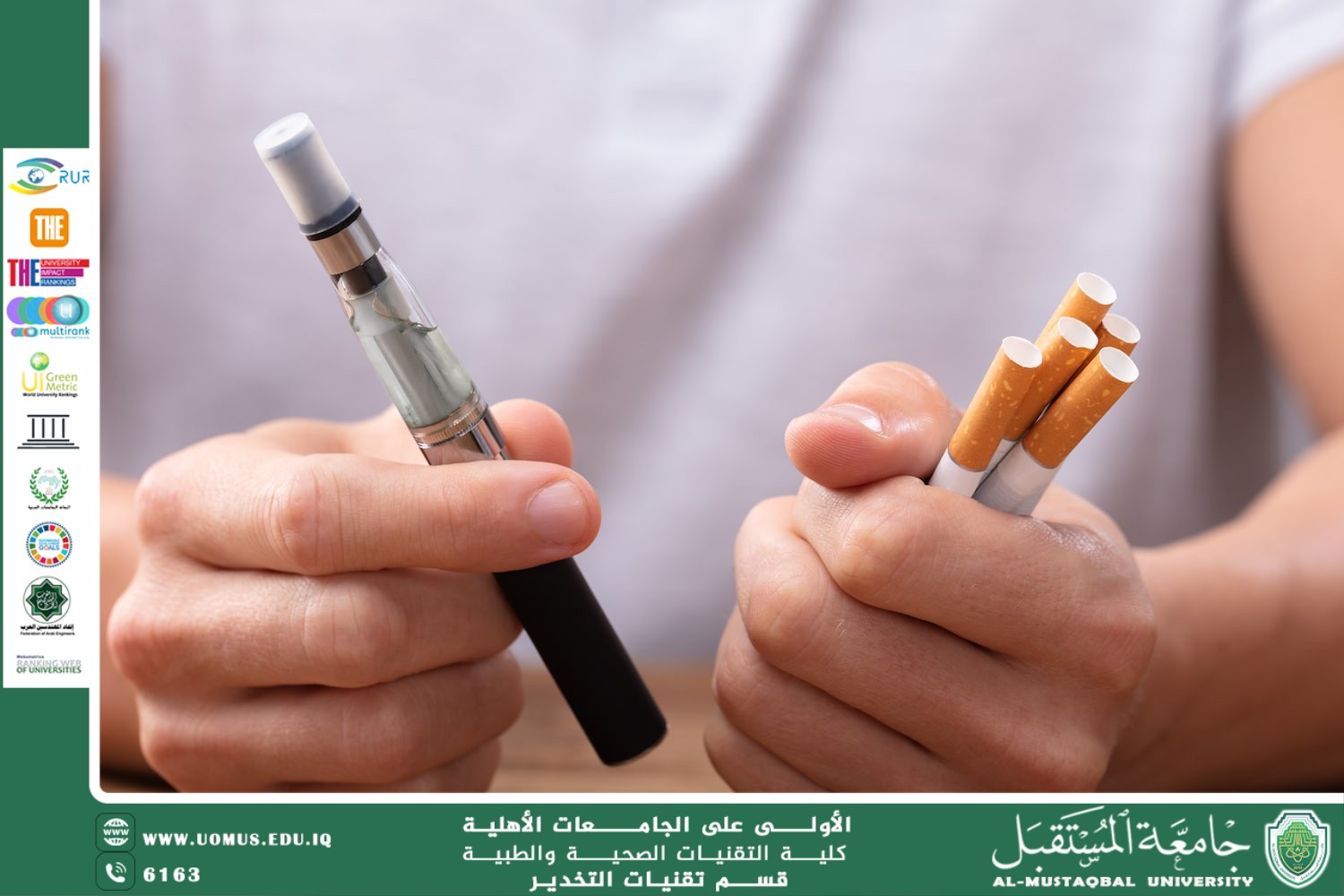
Effects of Vape smoking on Sexual Activity
1. Reduced Blood Flow<br /> • Nicotine is a vasoconstrictor—it narrows blood vessels.<br /> • This can reduce blood flow to the genitals, potentially leading to:<br /> ◦ Erectile dysfunction (ED) in men.<br /> ◦ Reduced arousal or lubrication in women.<br />2. Hormonal Changes<br /> • Nicotine may interfere with the hypothalamic-pituitary-gonadal axis, affecting sex hormone levels.<br /> • Can lead to:<br /> ◦ Lower testosterone levels (affecting libido in men).<br /> ◦ Irregular menstrual cycles or decreased fertility in women.<br />3. Fertility Issues<br /> • Studies suggest vaping can affect:<br /> ◦ Sperm count and motility in men.<br /> ◦ Egg quality and implantation in women.<br /> • Certain flavoring chemicals (like diacetyl) may also be toxic to reproductive cells.<br />4. Psychological Effects<br /> • Vaping can impact mental health (anxiety, mood changes), which may reduce interest in or satisfaction with sex.<br />5. Increased Risk of Other Health Issues<br /> • Chronic use may contribute to lung and cardiovascular problems, which are indirectly linked to sexual dysfunction.<br /><br />Is It Reversible?<br /> • Some damage may be reversible if vaping is stopped early.<br /> • Improvements in blood flow and hormone levels can be seen with lifestyle changes<br /><br />د. بشار هادي شعلان<br />Al-Mustaqbal University is the first university in Iraq