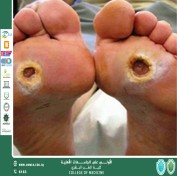
Understanding Diabetic Foot Disease: A Visual Guide for Prevention and Care
Introduction:<br /> Diabetic foot disease (DFD) is a serious complication of diabetes mellitus, characterized by nerve damage, poor circulation, and increased risk of infection. These factors can lead to foot ulcers, infections, and, in severe cases, amputations. Early detection and proper management are crucial to prevent these outcomes. <br /><br /><br />Pathophysiology of Diabetic Foot Disease:<br /> <br />DFD primarily results from: <br /> Peripheral Neuropathy: Loss of sensation in the feet due to nerve damage, making it difficult to detect injuries. <br /> Peripheral Arterial Disease (PAD): Reduced blood flow to the extremities, impairing wound healing. <br /> Immune System Impairment: High blood sugar levels can weaken the immune response, increasing infection risk. <br />These factors contribute to the development of foot ulcers and infections. <br /><br /><br /> Visual Progression of Diabetic Foot Ulcers<br />Understanding the stages of foot ulcers is essential: <br />1. Callus Formation: Thickened skin areas due to pressure. <br />2. Ulceration: Open sores resulting from untreated calluses or minor injuries. <br />3. Infection: Ulcers can become infected, leading to redness, swelling, and pus. <br />4. Gangrene: Severe infection may cause tissue death, necessitating amputation. <br />Case Study: The Importance of Early Intervention:<br /> A 42-year-old woman developed a severe foot infection from an ingrown toenail. Despite previous experiences with similar issues, this instance escalated rapidly due to her diabetes, leading to gangrene and necessitating partial foot amputation. This case underscores the critical need for prompt medical attention to seemingly minor foot injuries in diabetic patients. <br />Prevention Strategies<br /> <br />To mitigate the risk of DFD:<br /> 1.Daily Foot Inspection: Check for cuts, blisters, redness, or swelling. <br /> 2.Proper Foot Hygiene: Wash feet daily and keep them dry, especially between the toes. <br /> 3.Appropriate Footwear: Wear well-fitting shoes to prevent pressure points and injuries. <br /> 4.Regular Medical Check-ups: Routine visits to healthcare providers for foot examinations. <br /> 5.Blood Sugar Control: Maintain optimal glucose levels to prevent complications. <br /><br />Technological Advances in Diagnosis:<br /> Recent studies have explored the use of machine learning to classify diabetic foot ulcers, distinguishing between ischemic and infected ulcers with high accuracy. This technology aids in early diagnosis and personalized treatment plans. <br /><br />Conclusion:<br /> Diabetic foot disease is a preventable condition with proper education, vigilant care, and timely medical intervention. By understanding the risks and implementing daily preventive measures, individuals with diabetes can significantly reduce the likelihood of severe foot complications. <br />References<br />1. Wick, J.Y. (2014). Evolution of a Diabetic Foot Infection: One Picture Series Is Worth a Thousand Words. HCPLive. <br />2. Shadrick, L. (2025). Mum, 42, left fighting for her life in septic shock and has foot amputated after spotting an ingrown nail. The Scottish Sun. <br />3. Almufadi, N., & Alhasson, H.F. (2024). Classification of Diabetic Foot Ulcers from Images Using Machine Learning Approach. Diagnostics, 14(16), 1807. <br />4. Dermatonics. (n.d.). A Pictorial Guide to Diabetic Foot Examinations.<br /><br />Dr. Mazin Abdullateef Al-Zubaidi<br />Al-Mustaqbal University is the first in Iraq.<br /><br /><br /><br /><br /><br /><br /><br /><br /><br />