The Types of Biofuels
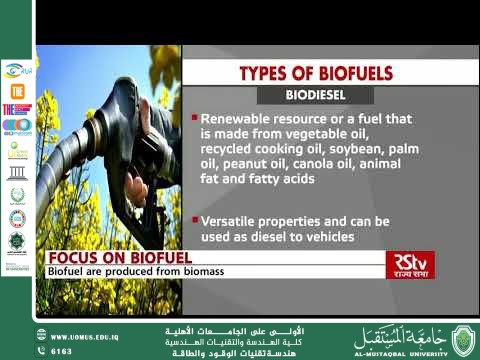
SDG 7: Affordable and clean energy<br />SDG 11 Sustainable cities and economies<br />SDG 12 Responsible consumption and production<br />Dr. Malik Mustafa Mohammed<br />The Types of Biofuels <br />Introduction: Biofuels are renewable energy sources derived from organic matter (biomass), offering alternatives to fossil fuels. They are categorized into generations based on feedstock and production technology. This report explores first- to fourth-generation biofuels, alongside other types, highlighting their sources, production methods, applications, and sustainability considerations. <br />1. First-Generation Biofuels<br />Feedstock: Food crops rich in sugars, starches, or oils. <br />Examples: Ethanol, Biodiesel. <br />Key Types <br />- Bioethanol: Produced via fermentation of sugars (e.g., corn, sugarcane). <br /> - Applications*: Blended with gasoline (e.g., E10, E85). <br /> - Major Producers*: U.S. (corn), Brazil (sugarcane). <br />- Biodiesel: Made from vegetable oils (soybean, rapeseed) or animal fats via transesterification. <br /> - Applications: Diesel blends (e.g., B20), renewable diesel (hydrotreated vegetable oil). <br /> - Major Producers: EU, U.S. <br />Advantages: <br />- Established production infrastructure. <br />- Compatible with existing engines. <br />Disadvantages: <br />- Competes with food supply ("food vs. fuel"). <br />- Limited greenhouse gas (GHG) savings due to land-use changes. <br />2. Second-Generation Biofuels <br />Feedstock: Non-food biomass (lignocellulosic materials). <br />Examples: Cellulosic ethanol, Biogas. <br />Key Types <br />- Cellulosic Ethanol: Derived from agricultural residues (corn stover, wheat straw), wood chips, or energy crops (switchgrass). <br /> - Production: Pretreatment, enzymatic hydrolysis, fermentation. <br />- Biogas: Produced via anaerobic digestion of organic waste (manure, landfill waste). <br /> - Composition: Methane and CO₂; upgraded to biomethane. <br />Advantages: <br />- Reduces competition with food crops. <br />- Higher GHG savings compared to first-gen. <br />Disadvantages: <br />- Costlier and technically complex production. <br />- Limited commercial-scale facilities. <br />3. Third-Generation Biofuels <br />Feedstock: Algae and microorganisms. <br />Examples: Algal biodiesel, Cyanobacterial biohydrogen. <br />Key Features <br />- Cultivated in ponds, photobioreactors, or open systems. <br />- High lipid or carbohydrate content for fuel conversion. <br />Production: <br />- Algae harvested and processed into biodiesel, bioethanol, or jet fuel. <br />- Potential for CO₂ sequestration during growth. <br />Advantages: <br />- Rapid growth rates; no arable land requirement. <br />- High yield per hectare compared to terrestrial crops. <br />Disadvantages: <br />- High production costs (nutrients, water, energy). <br />- Scalability challenges. <br />4. Fourth-Generation Biofuels <br />Feedstock/Technology: Engineered organisms and carbon capture. <br />Examples: <br />- Genetically modified algae/cyanobacteria for direct fuel synthesis. <br />- Biofuels integrated with carbon capture and utilization (CCU) for negative emissions. <br />Key Concepts: <br />- Microbes designed to utilize CO₂ or industrial emissions. <br />- Synthetic biology to optimize fuel output. <br />Status: Primarily in research or pilot phases. <br />Advantages: <br />- Potential for net-negative carbon emissions. <br />- Enhanced efficiency via genetic engineering. <br />Disadvantages: <br />- Ethical and regulatory hurdles. <br />- High R&D costs. <br />Other Biofuel Types <br />- Syngas (Synthesis Gas): Produced via gasification of biomass; used for electricity or liquid fuels. <br />- Biohydrogen: Generated through algae or bacterial fermentation. <br />- Drop-In Biofuels: Chemically identical to fossil fuels (e.g., green diesel), compatible with existing infrastructure. <br /><br />Sustainability and Challenges <br />Environmental Considerations <br />- Land Use: First-gen biofuels risk deforestation and habitat loss. <br />- Water Use: Algae and crop-based fuels require significant water. <br />- Carbon Footprint: Second- and third-gen offer greater GHG reductions. <br />Economic and Technical Challenges <br />- Cost competitiveness with fossil fuels. <br />- Feedstock availability and logistics. <br />- Policy support (e.g., mandates, subsidies). <br />Conclusion <br />Biofuels span a spectrum from mature first-generation technologies to innovative fourth-generation solutions. While first-gen remains dominant, advancements in lignocellulosic and algal biofuels promise sustainable pathways. Future success hinges on technological breakthroughs, policy frameworks, and balancing energy needs with ecological preservation. <br />Al-Mustaqbal University The First University in Iraq<br /><br /><br />