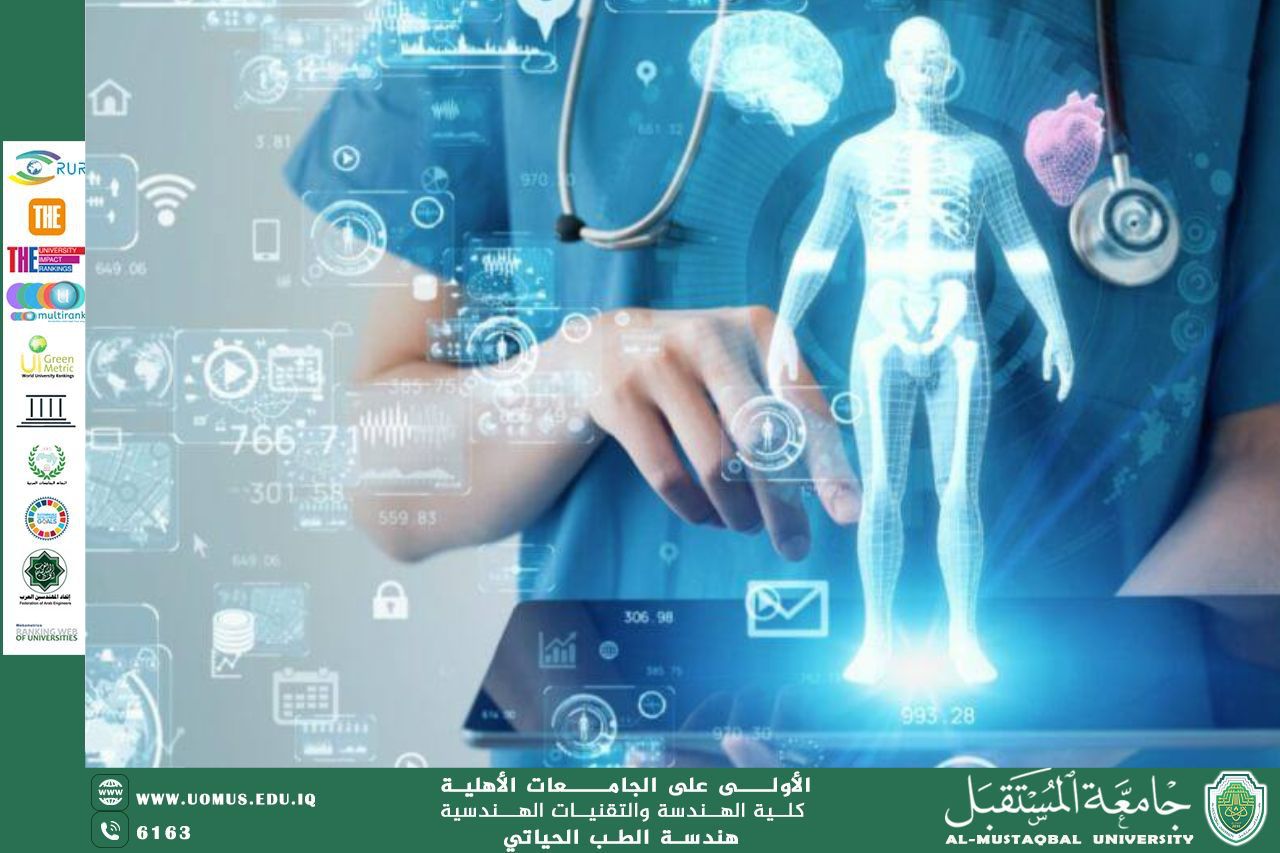
مقالة بعنوان "Artificial Intelligence and Early Diagnosis" للمهندس محمد عبد الكريم رزوقي
Will Computers Replace Doctors?<br />The emergence of artificial intelligence (AI) in healthcare has been groundbreaking, reshaping the way patients are diagnosed, treated, and monitored. This technology is dramatically improving healthcare research and outcomes by producing more accurate diagnoses and enabling more personalized treatments. AI's ability to quickly analyze vast amounts of clinical documentation helps medical professionals identify signs and trends of disease that might otherwise be overlooked. The potential applications of AI and healthcare are broad and far-reaching, from scanning radiographs for early detection to predicting outcomes from electronic health records. By leveraging AI in hospitals and clinics, healthcare systems can become smarter, faster, and more efficient in delivering care to millions of people around the world. AI in healthcare is truly transforming the future—changing how patients receive high-quality care while reducing costs for providers and improving health outcomes.<br /><br />It all started with IBM's Watson AI system, which was developed to answer questions accurately and quickly. Articles related to AI in healthcare note that IBM launched a healthcare-specific version of Watson in 2011, which focused on natural language processing—the technology used to understand and interpret human communication. Today, alongside IBM, other tech giants like Apple, Microsoft, and Amazon are increasingly investing in AI technologies for the healthcare sector.<br />The potential impact of AI in healthcare is truly astonishing. AI is expected to play a major role in reshaping the way healthcare data is processed, disease is diagnosed, treatments are developed, and even disease is prevented altogether. Using AI in healthcare, doctors can make more informed decisions based on more accurate information, saving time, reducing costs, and improving overall medical record management. From identifying new cancer treatments to improving patient experiences, AI in healthcare promises to be a game-changer, paving the way for a future where patients receive high-quality care and treatment faster and more accurately than ever before.