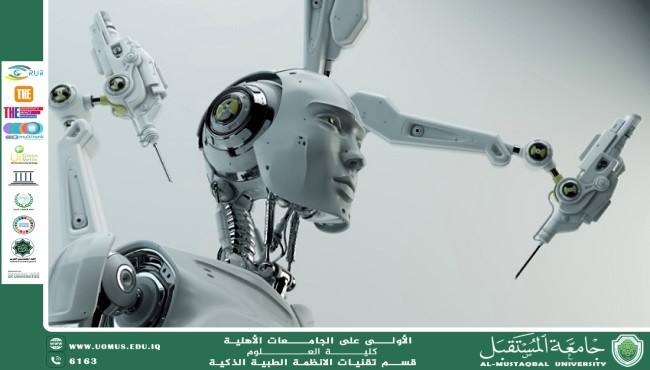
Microrobots: The Future of Precision Therapy Inside the Human Body?.
Microrobots represent an advanced class of miniature robots specifically designed to perform precise tasks within the human body, such as delivering medications to targeted areas or carrying out ultra-fine surgical interventions. Thanks to advancements in nanomanufacturing technologies and the integration of artificial intelligence, these robots can operate in highly complex environments like blood vessels and internal organs—opening new horizons for minimally invasive and less painful medical treatments.<br /><br />One of the most prominent uses of microrobots is targeted drug delivery, which enhances therapeutic effectiveness while minimizing side effects on healthy tissues. These robots can also remove damaged cells or collect tissue samples with exceptional precision, offering a promising alternative to conventional surgery in many cases.<br /><br />Microrobots are capable of conducting intricate procedures—such as tumor removal or internal wound sterilization—without the need for large surgical incisions. This contributes to faster patient recovery and reduces risks associated with traditional surgeries, such as infection or bleeding. Accurate control over their movement within the body is a key factor in reducing these complications.<br /><br />Despite their vast potential, challenges remain, particularly in developing safe and reliable manufacturing processes suitable for the human body. Enhancing the robots' ability to interact seamlessly with living tissues—without compromising organ function—is another area that requires continued innovation. As research advances, microrobots are poised to become a foundational tool in the future of medicine.<br /><br />Al-Mustaqbal University is the first University in Iraq.