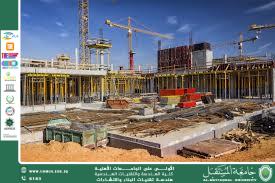
Robots on Construction Sites: Will Artificial Intelligence Replace Human Labor?
In recent years, the construction industry has witnessed significant advancements thanks to modern technology, especially artificial intelligence (AI) and robotics. With the increasing demand for faster and more precise construction, companies have started relying on robots to perform various tasks on construction sites, from excavation and assembly to inspection and measurement. However, a widely debated question remains: will AI and robots replace human labor on construction sites?<br /><br />Technological Advances in Construction<br />Robots and AI have introduced major improvements in how construction projects are executed. Robots can work continuously without fatigue or breaks, delivering high accuracy in repetitive tasks such as bricklaying, metal welding, and transporting heavy materials. AI systems also help monitor progress, detect early problems, and analyze data to ensure compliance with specifications and schedules.<br /><br />Benefits of Robots on Construction Sites<br />Increased Productivity: Robots can complete tasks faster and with greater precision, reducing the time needed to finish projects.<br /><br />Improved Safety: Robots perform hazardous tasks that might expose human workers to injury, such as working at heights or in dangerous environments.<br /><br />Cost Reduction: Over time, robots reduce reliance on costly human labor, especially for routine and repetitive tasks.<br /><br />Challenges and Concerns<br />Despite these benefits, there are significant challenges to fully adopting robots in construction. First, construction sites are often unpredictable and variable environments, making it difficult for robots to fully adapt. Second, there are economic and social concerns about job losses that many workers worldwide depend on. Additionally, the cost of developing and maintaining these advanced technologies remains high.<br /><br />Will AI Replace Human Labor?<br />The reality suggests that AI and robots will not completely replace human labor in the near future but will work alongside workers. Robots will take over heavy and repetitive tasks, while humans will remain responsible for supervision, planning, and work requiring creativity and human judgment that machines cannot replace. Moreover, new jobs requiring skills to operate and maintain these modern systems are expected to emerge.<br /><br />Conclusion<br />Ultimately, robots and AI represent a significant step towards advancing the construction industry, making it more efficient and safer. However, the best approach is balancing the benefits of technology with preserving human job opportunities by focusing on training and qualifying workers for this new era. Therefore, AI is not a substitute but a partner that enhances human capabilities on construction sites.