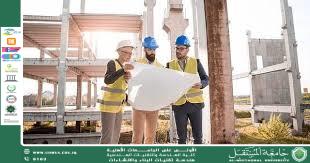
Green Engineering: How Construction Technologies Contribute to Reducing the Carbon Footprint
In light of increasing environmental challenges and rising climate change rates, there is an urgent need to adopt sustainable engineering practices that help protect the environment and reduce humanity’s negative impact on the planet. Thus, green engineering has emerged as a revolutionary approach in the construction field, relying on modern technologies aimed at reducing the carbon footprint and achieving environmental sustainability.<br /><br />What is Green Engineering?<br />Green engineering is the process of designing and implementing construction projects using environmentally friendly materials and techniques. It aims to reduce the consumption of natural resources, lower harmful emissions, and increase energy efficiency within buildings. This approach is not limited to the construction phase but also includes design, operation, and maintenance throughout the building’s lifespan.<br /><br />Construction Technologies That Help Reduce the Carbon Footprint<br />Use of Sustainable Materials:<br />Such as green concrete, recycled wood, and materials with low emissions during manufacturing, which reduce the environmental impact of construction activities.<br /><br />Advanced Thermal Insulation Technologies:<br />These improve energy consumption efficiency inside buildings, reducing the need for intensive air conditioning and heating.<br /><br />Renewable Energy:<br />Integrating solar and wind energy systems into building designs to reduce reliance on fossil fuel energy sources.<br /><br />Smart Water Management Systems:<br />Reusing greywater and collecting rainwater to decrease the consumption of fresh water.<br /><br />Smart Environmental Design:<br />Relying on design models based on site analysis, wind direction, and temperature to improve building ventilation and maximize natural lighting.<br /><br />Benefits of Green Engineering<br />Reduction of Carbon Emissions: By using materials and technologies that decrease the use of fossil fuels and non-clean energy.<br /><br />Lower Operating Costs: Green buildings have high energy efficiency, which reduces electricity and water bills.<br /><br />Improved Quality of Life: Healthier indoor environments with natural ventilation and better air quality.<br /><br />Support for Sustainability: Helps conserve natural resources for future generations and reduces long-term environmental impact.<br /><br />Challenges of Implementing Green Engineering<br />Despite the great advantages, green engineering faces challenges such as the high cost of some sustainable materials and technologies, the need for training engineering personnel, and raising awareness among project owners about the importance of sustainability.<br /><br />Conclusion<br />Green engineering represents the future of construction in a world increasingly focused on environmental protection and sustainability. By adopting sustainable construction technologies, the carbon footprint can be effectively reduced, helping to tackle climate change challenges and protect our planet for future generations.