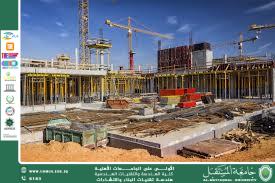
Use of Sustainable Materials in Modern Construction: Reality and Challenges
Sustainable materials are among the most important elements driving a radical transformation in the construction industry, as they effectively reduce the environmental impact of construction projects and enhance the efficient use of natural resources. With the growing global focus on sustainability and environmental preservation, the use of these materials has become an inevitable necessity in modern construction. However, the reality faces significant challenges that hinder their widespread adoption.<br /><br />The Reality of Using Sustainable Materials in Modern Construction<br />Sustainable materials are characterized by low energy consumption during manufacturing, recyclability, and low harmful emissions during use. Some of the most prominent sustainable materials include:<br /><br />Green concrete: Uses cement alternatives that reduce carbon dioxide emissions.<br /><br />Sustainably sourced and treated wood: Comes from renewable and responsibly managed sources.<br /><br />Recycled materials: Such as metals, glass, and plastics reused in construction processes.<br /><br />Eco-friendly insulation: Helps improve energy efficiency and reduce heat loss.<br /><br />Many modern projects have started adopting these materials, especially in countries with strict environmental sustainability regulations or those using green building certifications like LEED and BREEAM.<br /><br />Challenges Facing the Use of Sustainable Materials<br />High Initial Cost:<br />Sustainable materials often cost more than traditional materials, which poses a barrier to their adoption in budget-constrained projects.<br /><br />Lack of Knowledge and Awareness:<br />Many contractors and engineers lack sufficient information about the benefits and proper use of sustainable materials, reducing the likelihood of their implementation.<br /><br />Limited Availability:<br />In some regions, sustainable materials may be unavailable or difficult to source, complicating their use.<br /><br />Special Technical Requirements:<br />Some sustainable materials require advanced installation and maintenance techniques, necessitating worker training and specialized equipment.<br /><br />Standards and Regulations:<br />The absence of unified and reliable standards in some countries may hinder the widespread use of these materials.<br /><br />Importance of Overcoming Challenges<br />With the global trend toward sustainable development, it is essential to overcome these challenges by:<br /><br />Promoting research to reduce the cost of sustainable materials.<br /><br />Raising awareness and providing training within the construction sector.<br /><br />Supporting governments to offer incentives and legislation that encourage the use of eco-friendly materials.<br /><br />Developing efficient supply chains to facilitate easy access to sustainable materials.<br /><br />Conclusion<br />The use of sustainable materials in modern construction is not a choice but an environmental, economic, and social necessity that supports a more sustainable future and protects our planet. Despite existing challenges, technological advancements and increasing awareness will undoubtedly contribute to expanding their use and integrating them into all construction projects in the future.<br /><br />