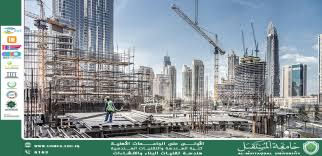
Use of Sustainable Materials in Smart Climate-Responsive Construction: Integrating Thermal Control Technologies in Modern DesignsModern Construction: Reality and Challenges
With accelerating climate changes and increasing demands for energy efficiency, smart climate-responsive construction has become an urgent necessity to achieve sustainable and efficient living and working environments. This approach focuses on integrating advanced thermal control technologies within modern building designs to improve thermal comfort and reduce energy consumption.<br /><br />What is Smart Climate-Responsive Construction?<br />Smart climate-responsive construction refers to designing and building structures that incorporate technological solutions for temperature control and ventilation, enabling buildings to adapt intelligently and efficiently to surrounding climatic conditions. This type of construction relies on sensors, automated control systems, and advanced building materials to dynamically regulate heat and airflow.<br /><br />Thermal Control Technologies in Smart Climate-Responsive Construction<br />Smart Ventilation Systems:<br />Use sensors to monitor air quality and temperature, automatically adjusting ventilation to maintain a healthy and comfortable indoor environment.<br /><br />Advanced Thermal Insulation:<br />Utilizes modern insulating materials that reduce heat loss in winter and protect against heat gain in summer, decreasing reliance on traditional heating and cooling systems.<br /><br />Smart Windows:<br />Includes variable-opacity glass that can adjust its transparency based on sunlight intensity, helping to reduce heat transfer.<br /><br />Shade Control Systems:<br />Employ automated blinds or movable exterior panels to minimize direct sunlight during peak hours.<br /><br />Active Heating and Cooling Systems:<br />Systems such as underfloor heating or cooling powered by renewable sources, controllable automatically to provide optimal comfort while minimizing energy use.<br /><br />Benefits of Smart Climate-Responsive Construction<br />Improved Thermal Comfort: Provides a comfortable indoor environment regardless of external climate changes.<br /><br />Reduced Energy Consumption: Lowers dependency on conventional heating and cooling devices.<br /><br />Lower Carbon Footprint: Helps reduce emissions resulting from energy consumption.<br /><br />Extended Building Lifespan: Uses materials and technologies that reduce wear and tear caused by thermal fluctuations.<br /><br />Challenges of Smart Climate-Responsive Construction<br />High Initial Costs: Investing in smart technologies and advanced materials requires larger budgets.<br /><br />Need for Advanced Engineering Expertise: Designing and operating these systems demands high technical knowledge.<br /><br />Maintenance Complexities: Smart systems require regular maintenance to ensure optimal performance.<br /><br />Conclusion<br />Smart climate-responsive construction represents the future of sustainable building design, combining technology and environment to offer integrated thermal control solutions. With the growing global focus on clean energy and sustainability, these technologies will become essential in all future projects to ensure more comfortable and efficient living spaces.<br /><br />