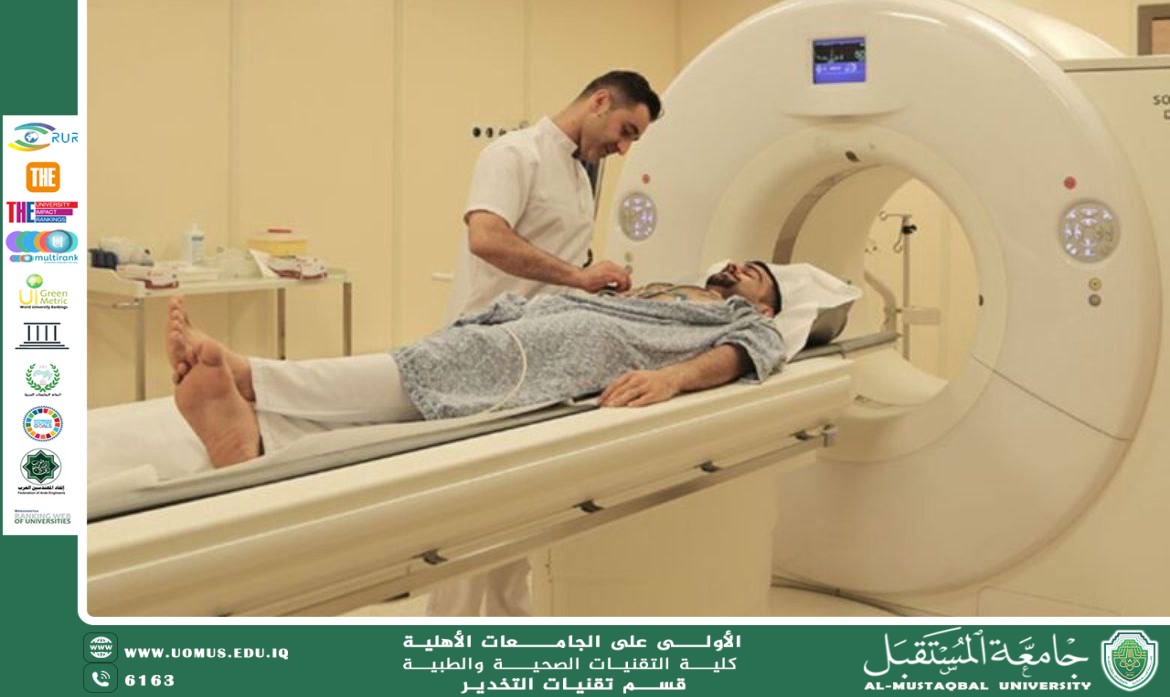
Advanced Medical Imaging: The Role of Engineering in Disease Detection
<br />Advanced medical imaging is a powerful result of the collaboration between engineering and medicine, revolutionizing how diseases are detected, diagnosed, and monitored. Through innovations in biomedical and electrical engineering, modern imaging techniques such as MRI (Magnetic Resonance Imaging), CT (Computed Tomography), PET (Positron Emission Tomography), and ultrasound have become essential tools in clinical practice. These technologies allow doctors to visualize internal structures of the human body with remarkable detail and accuracy—often without the need for invasive procedures. Engineering advances have also improved image resolution, reduced scanning times, and minimized patient exposure to radiation. Artificial intelligence now plays a growing role in interpreting images, detecting subtle changes that may escape the human eye. For instance, machine learning algorithms can identify early signs of cancer, neurological disorders, or cardiovascular disease, often before symptoms appear. As technology continues to evolve, the integration of real-time imaging with robotic surgery and 3D visualization further enhances precision in both diagnosis and treatment. Ultimately, the role of engineering in advanced medical imaging is critical in providing faster, safer, and more accurate healthcare for patients around the world.<br /><br />م.م. زمزم علي <br />Al-Mustaqbal University is the first university in Iraq<br />