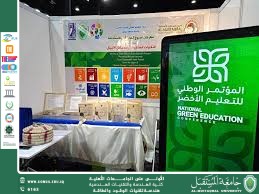
Green Education in Iraq
SDG 4 Quality Education<br />SDG 9 Industry, Innovation and Infrastructure<br />SDG 17 Partnerships for the Goals<br />Green Education in Iraq<br />Dr. Malik Mustafa Mohammed<br />Introduction<br />Green education, or environmental education, refers to the integration of environmental awareness and sustainability principles into educational systems. This approach aims to equip students with the knowledge, skills, and values necessary to address environmental challenges and promote sustainable development. In Iraq, a country facing significant environmental issues such as water scarcity, desertification, and pollution, green education is critical for fostering a culture of sustainability and resilience.<br />Importance of Green Education in Iraq<br />Environmental Challenges<br />Iraq faces a range of pressing environmental issues:<br />- Water Scarcity: The Tigris and Euphrates rivers, which are vital to Iraq's water supply, have seen declining flows due to upstream damming and climate change.<br />- Desertification: Overgrazing, deforestation, and soil erosion have led to the expansion of desert areas, threatening agricultural productivity.<br />- Pollution: Air, water, and soil pollution from industrial activities, oil extraction, and waste mismanagement pose significant health risks.<br />- Climate Change: Rising temperatures and erratic rainfall patterns exacerbate existing environmental problems.<br />Sustainable Development Goals (SDGs)<br />Green a sustainable development.<br />Current State of Green Education in Iraq<br />Educational System Overview<br />Iraq’s education system consists of primary, secondary, and higher education levels. While some schools and universities have begun integrating environmental topics into their curricula, green education remains limited and inconsistent across the country.<br />Existing Initiatives<br />Several organizations and institutions in Iraq are working to promote green education:<br />1. Ministry of Education: The Iraqi government has introduced basic environmental science topics in school curricula, particularly at the secondary level. However, these lessons often lack depth and practical application.<br />2. UNESCO and NGOs: International organizations like UNESCO and local NGOs have launched programs to raise awareness about environmental issues. For example, workshops and campaigns focus on topics such as recycling, water conservation, and renewable energy.<br />3. Higher Education Institutions: Universities such as the University of Baghdad and the University of Mosul offer courses and research opportunities related to environmental sciences and sustainable development.<br />Gaps and Limitations<br />Despite these efforts, green education in Iraq faces several obstacles:<br />- Curriculum Gaps: Environmental topics are not comprehensively integrated into all levels of education.<br />- Lack of Resources: Many schools lack the infrastructure, materials, and trained teachers needed to deliver effective green education.<br />- Awareness Deficit: There is limited public awareness about the importance of sustainability, making it difficult to build community support for green education.<br />- Political and Economic Instability: Ongoing conflicts and economic challenges divert attention and resources away from environmental priorities.<br />Challenges to Implementing Green Education<br />1. Infrastructure Shortages: Many schools lack basic facilities, let alone resources for teaching about sustainability.<br />2. Teacher Training: Educators often do not receive adequate training in environmental education methods.<br />3. Cultural Barriers: Traditional attitudes toward resource use and waste management may hinder the adoption of sustainable practices.<br />4. Funding Constraints: Budget limitations restrict the implementation of large-scale green education programs.<br />5. Coordination Issues: Fragmented efforts among government agencies, NGOs, and international partners reduce the effectiveness of green education initiatives.<br />Opportunities for Advancement<br />Strengthening Curricula<br />Integrating environmental topics into core subjects such as science, geography, and social studies can help normalize green education. Practical activities, such as tree planting, recycling projects, and field trips to natural reserves, can enhance student engagement.<br />Community Engagement<br />Engaging parents, local communities, and businesses in green education initiatives can amplify their impact. For example, community clean-up drives and awareness campaigns can foster a sense of shared responsibility.<br />Leveraging Technology<br />Digital tools, such as online courses, virtual labs, and mobile apps, can provide accessible and innovative ways to teach environmental concepts. Partnerships with tech companies could help overcome resource constraints.<br />International Collaboration<br />Collaboration with international organizations and donor countries can bring expertise, funding, and best practices to Iraq’s green education efforts. Examples include joint research projects, exchange programs, and capacity-building workshops.<br /><br />Recommendations<br />1. Policy Development: The government should develop a comprehensive policy framework that prioritizes green education and allocates sufficient funding.<br />2. Teacher Training Programm: Invest in professional development for educators to ensure they have the skills and knowledge to teach environmental topics effectively.<br />3. Public Awareness Campaigns: Launch nationwide campaigns to raise awareness about the importance of sustainability and the role of education in achieving it.<br />4. Partnerships: Foster partnerships between government bodies, private sector entities, and civil society organizations to pool resources and expertise.<br />5. Pilot Projects: Implement pilot programs in select schools and regions to test innovative approaches to green education before scaling them up nationally.<br />6. Monitoring and Evaluation: Establish mechanisms to monitor the progress and impact of green education initiatives, using data to inform future strategies.<br />Conclusion<br />Green education holds immense potential to transform Iraq’s approach to environmental challenges and contribute to sustainable development. While there are promising initiatives underway, significant barriers remain. Addressing these challenges requires coordinated action by the government, educators, communities, and international partners. By investing in green education today, Iraq can empower future generations to create a more sustainable and resilient society.<br />References<br />- United Nations Environment Programme (UNEP)<br />- Ministry of Education, Iraq<br />- UNESCO Reports on Education for Sustainable Development<br />- Local NGO reports on environmental awareness in Iraq<br />Al-Mustaqbal University The First University in Iraq<br />