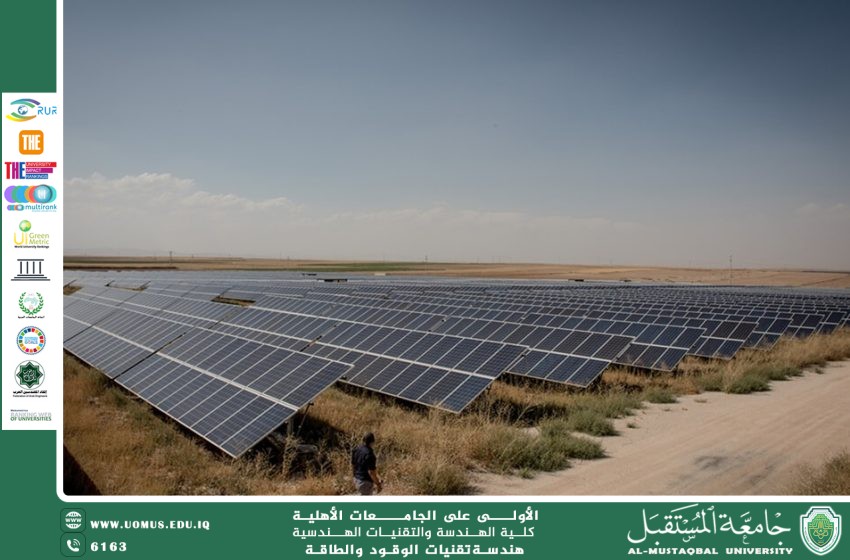
Solar Energy for Electricity Generation in Baghdad, Iraq
SDG 7 Affordable and clean energy<br />SDG 9 Industry, innovation and infrastructure<br />SDG 11 Sustainable cities and economies<br />Dr. Malik Mustafa Mohammed<br />Solar Energy for Electricity Generation in Baghdad, Iraq<br />Baghdad, the capital of Iraq, faces chronic electricity shortages due to aging infrastructure, population growth, and reliance on fossil fuels. With over 3,000 hours of annual sunlight, the city has immense potential to leverage solar energy to address energy deficits, reduce carbon emissions, and enhance energy security. This report evaluates the feasibility, challenges, and opportunities of solar cell adoption in Baghdad, incorporating recent developments and global trends.<br />2. Solar Energy Potential in Baghdad <br />- Climate and Geography: Baghdad enjoys 7–9 hours of daily sunlight, ideal for photovoltaic (PV) systems. <br />- Technical Potential: A 2023 study estimates Iraq’s solar capacity at 21.2 GW by 2030, with Baghdad positioned as a key hub. <br />- Economic Benefits: Solar energy costs have dropped by 82% since 2010 (IRENA, 2023), making it competitive with subsidized fossil fuels. <br />3. Current Initiatives and Progress <br />- Government Policies: Iraq’s 2023 Renewable Energy Strategy targets 33% renewable energy by 2030, with solar as a pillar. <br />-Projects: <br /> - A 1-GW solar park near Baghdad, funded by international partnerships (e.g., UAE’s Masdar). <br /> - Pilot rooftop solar programs in universities and hospitals. <br />- Private Sector: Local startups like **Soly Iraq** promote decentralized solar solutions for homes and businesses. <br />4. Challenges <br />- Environmental Factors <br /> - Frequent dust storms (e.g., 2023’s “Hell Storm”) reduce panel efficiency by up to 30%. <br /> - High temperatures (>45°C in summer) strain equipment. <br />- Infrastructure Gaps: <br /> - Weak grid integration and lack of storage systems. <br /> - Limited local expertise for maintenance. <br />- Economic and Political Barriers: <br /> - Subsidized fossil fuels discourage investment. <br /> - Bureaucratic delays and security concerns deter foreign investors. <br />5. Case Studies <br />- Al-Mustansiriya University: Installed a 500 kW rooftop solar system, reducing diesel use by 40%. <br />- Baghdad Commercial Hub: A private mall uses hybrid solar-diesel systems, cutting energy costs by 25%. <br />- Community Microgrids*: NGOs in Sadr City are piloting solar-powered microgrids to serve off-grid neighborhoods. <br />6. Recommendations <br />1. Policy Reforms: <br /> - Introduce feed-in tariffs and tax incentives for solar adoption. <br /> - Streamline permits for foreign investment. <br />2. Technology Integration: <br /> - Deploy anti-reflective coatings and robotic cleaning to combat dust. <br /> - Invest in battery storage (e.g., Tesla Megapack) for 24/7 supply. <br />3. Capacity Building: <br /> - Train technicians through partnerships with German Solar Energy Society (DGS) or UAE institutions. <br />4. Public Awareness: <br /> - Campaigns highlighting long-term savings and environmental benefits. <br /><br />---7. Economic and Social Impact <br />- Job Creation: Solar projects could generate 50,000+ jobs in manufacturing, installation, and maintenance by 2030. <br />- Energy Equity: Solar microgrids can provide affordable power to Baghdad’s underserved areas, improving quality of life. <br />- Climate Resilience: Reducing fossil fuel reliance aligns with Iraq’s NDC targets under the Paris Agreement. <br />8. Conclusion <br />Solar energy presents a transformative opportunity for Baghdad to achieve energy independence, reduce pollution, and foster economic growth. While challenges like dust management and infrastructure modernization persist, strategic partnerships, policy support, and technological innovation can unlock this potential. With global solar costs at historic lows and Iraq’s renewed commitment to renewables, Baghdad is poised to become a regional leader in sustainable energy. <br />References: IRENA (2023), Iraq Renewable Energy Strategy, World Bank Energy Reports, Local NGO Case Studies. <br />Al-Mustaqbal University The First University in Iraq<br /><br /><br /> <br />