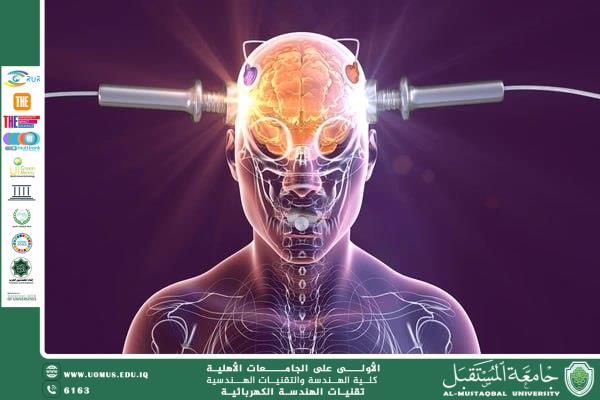
The Impact of Electric Shock on the Human Brain"
م.م زهراء عماد<br />The Impact of Electric Shock on the Human Brain"<br /><br />The Impact of Electric Shock on the Human Brain<br />Electric shock occurs when an electric current passes through the body, potentially causing a range of physiological and neurological effects. The severity of the shock depends on several factors, including the voltage, current type (AC or DC), duration of exposure, and the pathway the electricity takes through the body. One of the most critical organs affected by electric shock is the human brain.<br /><br />1. Neurological Effects of Electric Shock<br />When electric current passes through the body and reaches the brain, it can disrupt normal brain function. The brain relies on electrical signals to control the body, and an external electric current can interfere with these delicate signals. Some common neurological effects include:<br /><br />Loss of consciousness or fainting<br /><br />Seizures<br /><br />Confusion or disorientation<br /><br />Memory loss, either short-term or long-term<br /><br />Headaches and dizziness<br /><br />In severe cases, electric shock can lead to brain damage, especially if the current passes directly through the head or if the person is exposed to high voltage.<br /><br />2. Long-term Consequences<br />Even after the initial incident, some individuals may suffer from long-term neurological issues. These may include:<br /><br />Cognitive impairments, such as difficulty concentrating or learning<br /><br />Mood disorders, including depression, anxiety, or emotional instability<br /><br />Chronic pain syndromes or unusual sensations (e.g., tingling, burning)<br /><br />Post-traumatic stress disorder (PTSD), especially in cases of severe shock<br /><br />Damage to specific brain regions can also affect motor control, speech, or even personality.<br /><br />3. Mechanisms of Brain Injury<br />The brain may be injured in several ways during an electric shock:<br /><br />Direct injury from the current disrupting brain cells<br /><br />Hypoxia, or lack of oxygen, if the shock causes cardiac arrest or stops breathing temporarily<br /><br />Secondary injury from head trauma if the person falls after being shocked<br /><br />Brain cells are highly sensitive to electric imbalance and oxygen deprivation, so even a brief disruption can have lasting effects.<br /><br />4. Treatment and Recovery<br />Treatment after an electric shock depends on the severity of the injury. Immediate care may involve:<br /><br />Cardiopulmonary resuscitation (CPR)<br /><br />Monitoring for neurological symptoms<br /><br />Hospitalization for severe cases<br /><br />Long-term rehabilitation may include:<br /><br />Neurological therapy<br /><br />Cognitive behavioral therapy (CBT)<br /><br />Medication for mood or pain management<br /><br />Early medical attention increases the chances of full or partial recovery, especially in mild to moderate cases.<br /><br />Conclusion<br />Electric shock can have serious and sometimes permanent effects on the human brain. While minor shocks may only cause brief discomfort, stronger exposures can result in neurological dysfunction, psychological disorders, or even death. It is crucial to prevent electrical injuries by following safety guidelines and seeking immediate medical attention after any electric shock.