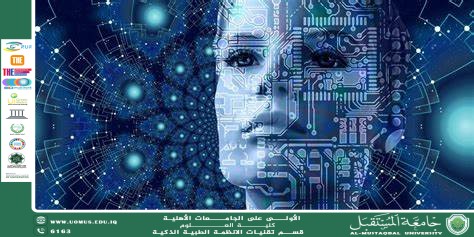
Smart Systems and Women's Freedoms in the Digital Age.
Smart systems are playing an increasingly vital role in advancing women’s freedoms and empowerment across various domains. Modern technologies such as Artificial Intelligence (AI), Big Data analytics, and the Internet of Things (IoT) are helping create environments that support women's participation in economic, social, and political life. These systems contribute to eliminating many of the barriers women face, such as gaps in the labor market, limited educational opportunities, and challenges in balancing professional and personal responsibilities.<br /><br />In the labor market, smart systems help reduce occupational discrimination through data-driven analytics that allow employers to assess skills and qualifications objectively, without bias. They also promote flexible work environments through remote work technologies, enabling women to participate in the workforce without the need for physical presence—thus facilitating a better balance between family and professional duties.<br /><br />In education, modern technologies have opened wider opportunities for women to access knowledge through e-learning platforms and online training courses. This allows them to develop new skills and expand their employment prospects in traditionally male-dominated fields such as technology and engineering. Machine learning also helps in personalizing educational content to meet women's needs, easing their access to knowledge without conventional barriers.<br /><br />In the healthcare sector, smart systems provide digital medical services such as telemedicine, enabling women to receive healthcare consultations without visiting medical facilities—especially important in communities with mobility restrictions. Digital health apps also assist in monitoring women's health and offering preventive guidance on topics such as pregnancy and reproductive health.<br /><br />Nevertheless, challenges remain, particularly regarding data privacy and information security. Smart systems may pose risks to women’s freedoms of expression, movement, and employment if not governed by proper safeguards. Therefore, it is crucial to establish laws that protect women’s rights in the digital realm and ensure that these technologies are used in a fair and secure manner.<br /><br />As technology continues to evolve, smart systems hold the potential to play a pivotal role in expanding women's freedoms and opportunities across all sectors, contributing to the creation of more inclusive, equitable, and just societies.<br /><br />