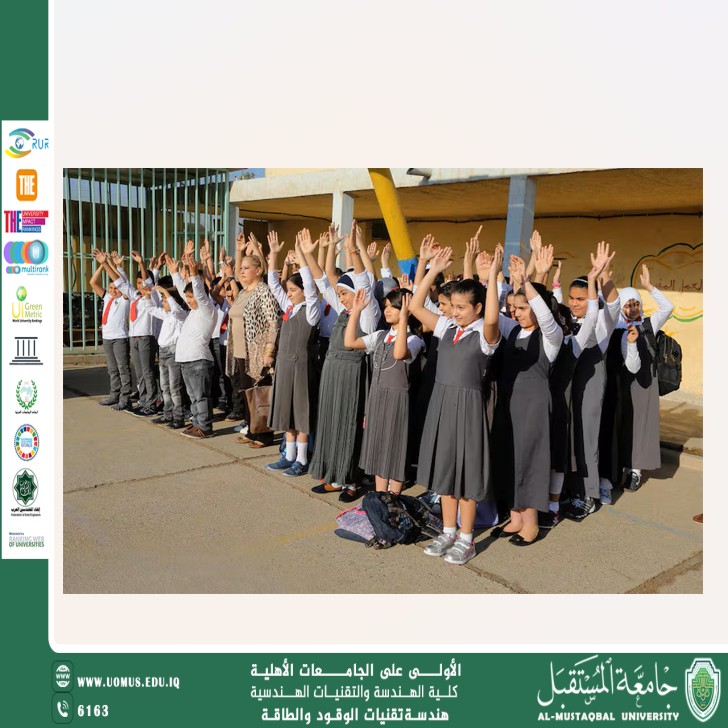
SDG 4: Quality Education in Iraq
SDG 4: Quality Education in Iraq<br />Dr. Malik Mustafa Mohammed<br />SDG 4 Quality Education<br />SDG 9 Industry, innovation and infrastructure<br /><br />1. Introduction to SDG 4 <br />Sustainable Development Goal 4 (SDG 4) aims to "ensure inclusive and equitable quality education and promote lifelong learning opportunities for all." Its targets include universal access to primary/secondary education, early childhood development, gender equality in education, improved vocational training, and enhanced education quality through infrastructure and teacher support. This report assesses Iraq’s progress toward SDG 4, challenges, and recommendations.<br />2. Current State of Education in Iraq <br />Iraq, emerging from decades of conflict and instability, faces systemic educational challenges. Key indicators include: <br />- Enrollment Rates: <br /> - Primary net enrollment rate: ~80% (UNESCO, 2021), with disparities between urban (85%) and rural (65%) areas. <br /> - Secondary enrollment: ~45% (World Bank, 2022). <br />- Literacy: Youth literacy (ages 15–24) is ~85%, but adult literacy (ages 15+) is lower (~70%), with significant gender gaps (women: ~60%). <br />- Displacement: Over 1.2 million children are out of school due to displacement (UNICEF, 2023), particularly in conflict-affected areas like Anbar and Ninewa. <br />- Gender Disparities: Girls’ enrollment drops sharply in secondary school (50% vs. 60% for boys in rural regions). <br />3. Key Challenges <br />a. Conflict and Security <br />- Destruction of infrastructure: Over 3,000 schools damaged/destroyed during ISIS conflicts (2014–2017), particularly in Mosul. <br />- Ongoing insecurity disrupts attendance, especially for girls. <br /><br />b. Funding and Resources <br />- Education budget allocation (~5% of GDP) remains insufficient for rebuilding and teacher salaries. <br />- Economic reliance on oil revenues leads to budget volatility. <br />c. Displacement and Refugee Crisis <br />- Over 1.4 million internally displaced persons (IDPs) strain urban schools; refugee children (e.g., Syrian) often lack access. <br />d. Infrastructure and Overcrowding <br />- 40% of schools lack basic utilities (electricity, water); classrooms average 40+ students. <br />e. Pandemic Impact <br />- School closures (2020–2021) exacerbated learning gaps, with limited access to online learning in rural areas (only 20% internet penetration). <br />f. Gender and Cultural Barriers <br />- Early marriage, cultural norms, and safety concerns contribute to high dropout rates for adolescent girls. <br />4. Progress and Initiatives <br />a. Government Efforts <br />- National Strategy for Education Reform (2018–2032)**: Focuses on curriculum modernization, teacher training, and vocational education. <br />- School Reconstruction: Over 500 schools rebuilt in liberated areas (2018–2023) with international aid. <br />b. International Support <br />- UNICEF: Provides learning materials and supports "Back to School" campaigns. <br />- Global Partnership for Education (GPE): Funded $50 million for teacher training and inclusive education. <br />- UNESCO*: Assists in curriculum reform and preserving cultural heritage in education. <br /><br />c. Regional Disparities <br />- Kurdistan Regional Government (KRG): Higher enrollment rates and better infrastructure compared to central/southern Iraq. <br />d. Innovations <br />- Non-formal education programs target dropouts and IDP children. <br />- Digital literacy initiatives expand in urban centers. <br />5. Recommendations <br />To accelerate progress on SDG 4, Iraq should prioritize: <br />1.Increase Education Funding: Allocate at least 6% of GDP to education, ensuring equitable distribution across regions. <br />2. Infrastructure Investment: Rebuild schools in conflict-affected areas and improve utilities/access to technology. <br />3. Teacher Training: Expand professional development programs and address teacher shortages (1 teacher per 30 students ratio needed). <br />4. Gender Equity: Launch community awareness campaigns and provide safe transportation for girls. <br />5. Inclusive Education: Expand vocational training and adult literacy programs. <br />6. Leverage Technology: Develop blended learning models and improve internet access in rural areas. <br />7. Data Collection: Enhance monitoring systems to track enrollment, dropout rates, and learning outcomes. <br />6. Conclusion <br />Iraq has made incremental progress toward SDG 4, but systemic challenges persist. Sustained investment, policy reforms, and international collaboration are critical to ensuring quality education for all Iraqi children and adults. Addressing these issues will not only fulfill a global goal but also foster long-term stability and economic growth in Iraq.<br />Sources: <br />- UNESCO Institute for Statistics (2021–2023) <br />- World Bank Iraq Data (2022–2023) <br />- UNICEF Iraq Reports (2020–2023) <br />- Iraqi Ministry of Education Strategic Plans <br />- Global Partnership for Education (GPE) <br />Al-Mustaqbal University The First University in Iraq<br />