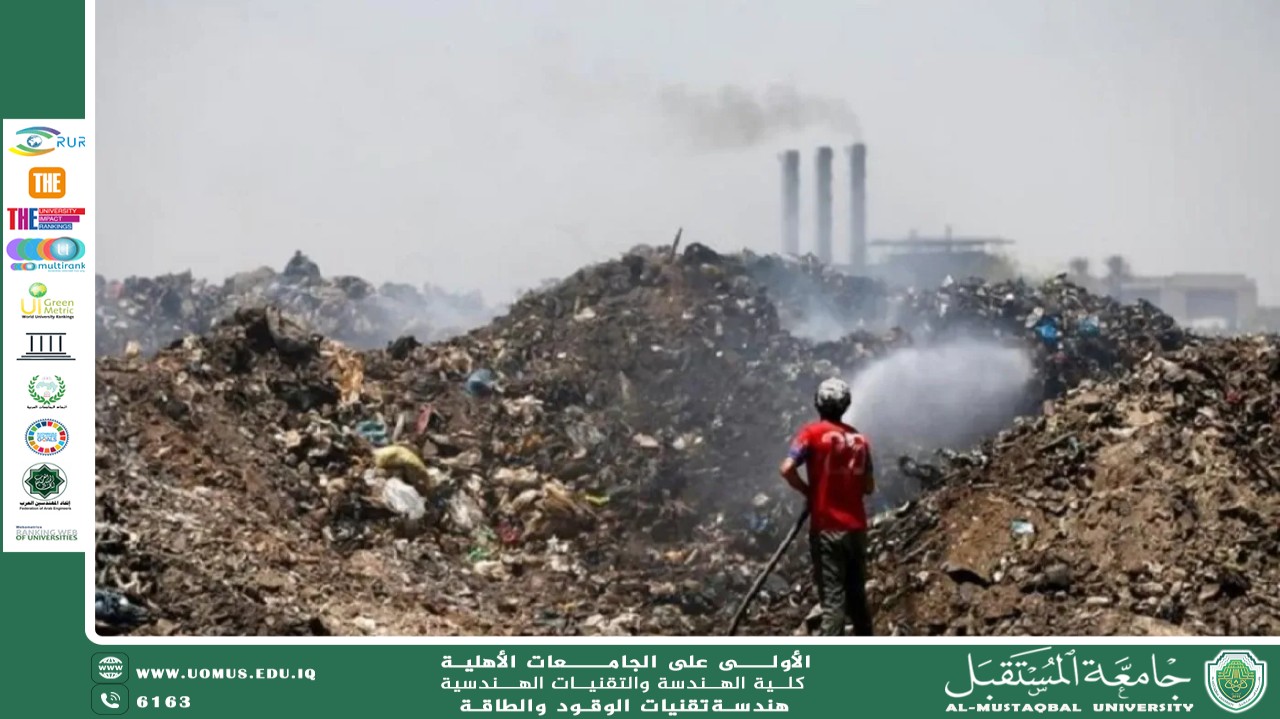
Reducing air pollution in Babylon Governorate
<br />Reducing air pollution in Babylon Governorate<br />Dr. Malik Mustafa Mohammed<br />SDG 3 Good health and well-being<br />SDG 7 Affordable and clean energy<br />SDG 9 Industry, innovation and infrastructure<br />SDG 13 Climate action<br /><br />Reducing air pollution in Babylon Governorate, Iraq, requires a multifaceted approach addressing local sources of pollution, such as industrial emissions, vehicle exhaust, agricultural burning, construction dust, and regional dust storms. Below are targeted strategies tailored to the region’s context:<br />1. Strengthen Industrial and Agricultural Regulations <br />- Monitor and Regulate Industries: <br /> - Enforce stricter emissions standards for factories, cement plants, and oil-related facilities (if present) using real-time air quality monitoring. <br /> - Promote cleaner production technologies and transition from coal/diesel generators to natural gas or renewables. <br />- Combat Agricultural Burning: <br /> - Ban open-field burning of crop residues (e.g., rice straw) and provide subsidies for machinery that converts agricultural waste into compost or bioenergy. <br /> - Educate farmers on sustainable practices through extension programs. <br />2. Improve Urban and Transportation Planning <br />- Modernize Public Transport: <br /> - Invest in electric or hybrid buses and expand low-cost public transit networks to reduce reliance on old, polluting vehicles. <br /> - Introduce carpooling incentives and stricter vehicle emissions testing. <br />- Reduce Traffic Congestion: <br /> - Upgrade road infrastructure and implement smart traffic management systems to minimize idling and fuel consumption. <br />---3. Mitigate Construction and Dust Pollution <br />- *Enforce Dust Control Measures: <br /> - Mandate water spraying, covering of construction materials, and use of barriers at construction sites. <br /> - Regularly clean roads in urban areas to reduce particulate matter. <br />- Combat Desert Dust: <br /> - Expand green belts and plant drought-resistant vegetation (e.g., acacia, tamarisk) around cities to act as natural dust barriers. <br /> - Collaborate with regional governments to address transboundary dust storms (e.g., from Saudi Arabia or Kuwait). <br />4. Promote Renewable Energy and Waste Management <br />- Transition to Clean Energy: <br /> - Encourage rooftop solar installations for households and businesses to reduce reliance on diesel generators. <br /> - Develop utility-scale solar farms in arid areas of Babylon (aligned with Iraq’s National Renewable Energy Strategy). <br />- Improve Waste Management: <br /> - Establish waste segregation and recycling programs to prevent open burning of trash. <br /> - Build modern landfills and waste-to-energy facilities to manage municipal solid waste sustainably. <br />5. Enhance Air Quality Monitoring and Policy <br />- Establish Local Monitoring Stations: <br /> - Deploy low-cost air quality sensors in cities like Al-Hillah and rural areas to track PM2.5, NO₂, and SO₂ levels. <br /> - Share real-time data with the public via mobile apps or websites to raise awareness. <br />- Enforce Environmental Laws: <br /> - Update Iraq’s environmental protection laws to include penalties for violations (e.g., illegal burning, industrial non-compliance). <br />-<br />6. Community Engagement and Education <br />- Raise Awareness: <br /> - Launch campaigns via schools, mosques, and media to educate citizens about health risks of air pollution and individual actions (e.g., reducing vehicle idling, avoiding trash burning). <br />- Support Local NGOs: <br /> - Fund grassroots initiatives focused on tree planting, clean energy adoption, and advocacy for stricter pollution controls. <br />7. Regional and International Collaboration <br />- Partner with Neighboring Areas: <br /> - Collaborate with neighboring governorates (e.g., Karbala, Najaf) to address cross-border pollution and dust storms. <br />- *Leverage International Aid: <br /> - Seek funding from organizations like the World Bank, UNDP, or EU for clean energy projects and pollution reduction programs. <br />Challenges and Considerations <br />- Funding Constraints: Iraq’s economy relies heavily on oil, limiting resources for environmental projects. Prioritize low-cost solutions (e.g., awareness campaigns, policy reforms). <br />- *Political Will: Ensure accountability in enforcing regulations, particularly for influential industries. <br />- Climate Vulnerability*: Address water scarcity when planning green infrastructure to avoid straining local resources. <br />Conclusion <br />Babylon Governorate can significantly reduce air pollution by combining regulatory enforcement, technological innovation, and community participation. Immediate actions include curbing agricultural burning, upgrading transport, and expanding renewable energy. Long-term success depends on sustained investment, regional cooperation, and integrating air quality goals into development plans. By tackling pollution, Babylon can protect public health, preserve its cultural heritage, and contribute to Iraq’s climate resilience. <br />Sources: Iraq’s Ministry of Environment, WHO Air Quality Guidelines, UNDP Iraq Reports, World Bank Iraq Energy Sector Review.<br />Al-Mustaqbal University The First University in Iraq<br /><br />