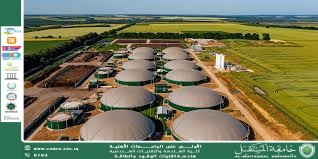
Biomethane plants in developed countries
Biomethane plants in developed countries<br />Dr. Malik Mustafa Mohammed<br />SDG 7 Affordable and clean energy<br />SDG 9 Industry, innovation and infrastructure<br />SDG 13 Climate action<br />Here’s a list of large-scale sewage-to-biomethane plants in developed countries, including their locations, capacities, technologies, and key features. These facilities represent best practices in converting wastewater treatment into renewable energy.<br />1. Europe: A Leader in Sewage-to-Biomethane<br />Germany<br />1.Braunschweig Wastewater Treatment Plant (Norddeutsche Biogas GmbH)<br /> - Location: Braunschweig, Germany<br /> - Capacity: Processes ~80,000 tons/year of sewage sludge + food waste (co-digestion).<br /> - Biogas Output: ~5.5 million m³/year.<br /> - Technology: Anaerobic digestion + membrane-based upgrading.<br /> - Use: Injects biomethane into the natural gas grid.<br /> -Key Feature: One of Germany’s largest municipal sewage-to-biomethane plants.<br />2.Stuttgart-Münster Plant<br /> - Location: Stuttgart, Germany<br /> Capacity: Treats 120,000 m³/day of wastewater.<br /> - Biogas Output: 6 million m³/year.<br /> - Use: Powers 1,500 households and 50 biomethane buses.<br />Sweden<br />3. Hammarby Sjöstad Biogas Plant (Fortum Värme)<br /> - Location: Stockholm, Sweden<br /> - Capacity: Processes sewage sludge and food waste from 25,000 households.<br /> - Biogas Output: 15 million m³/year.<br /> - Use: Fuels public transport and district heating.<br /> - Key Feature: Part of Stockholm’s circular economy model.<br />4. Kristinehamn Wastewater Plant<br /> - Location: Kristinehamn, Sweden<br /> - Capacity: Produces 4.5 million m³/year of biomethane.<br /> - Use: Injected into the national gas grid.<br /> - Technology: Upgraded using water-wash CO₂ removal.<br />United Kingdom<br />5. Slough Bio-Plant (National Grid & Thames Water<br /> - Location: Slough, UK<br /> -Capacity: Processes 90,000 tons/year of sewage sludge.<br /> - Biogas Output: 10 million m³/year.<br /> - Use: Injects biomethane into the UK gas grid.<br /> - Technology: Anaerobic digestion + amine scrubbing for upgrading.<br /> - Key Feature: First UK plant to inject biomethane from sewage into the grid (2012).<br />6. Puddington Plant (United Utilities)<br /> - Location: Cheshire, UK<br /> - Capacity: Generates enough biomethane to power 15,000 homes/year.<br /> - Use: On-site electricity generation via CHP units.<br />Netherlands<br />7. Amsterdam-West Wastewater Plant (Waternet)<br /> - Location*: Amsterdam, Netherlands<br /> - Capacity: Treats 1.2 million m³/day of wastewater.<br /> - Biogas Output: 20 million m³/year.<br /> - Use: Powers the plant and supplies 50,000 households.<br /> - Technology: Thermal hydrolysis (Cambi) + AD + upgrading.<br /> - Key Feature: Uses co-digestion with food waste to boost yields.<br />United States: Rapid Expansion in Biogas<br />8. Hyperion Water Reclamation Plant (Los Angeles, CA)<br /> - Location: Los Angeles, USA<br /> - Capacity: Processes 450 million gallons/day of wastewater.<br /> - Biogas Output: 25 million m³/year.<br /> - Use*: On-site power generation; plans for upgrading to biomethane.<br /> -Technology : Conventional anaerobic digestion.<br />9. District of Columbia Water & Sewer Authority (DC Water)<br /> - Location: Washington, D.C., USA<br /> - Capacity*: Processes 120 dry tons/day of sludge.<br /> -Biogas Output: 3.5 million m³/year.<br /> - Technology: Thermal hydrolysis (Cambridge Water) + AD.<br /> - Key Feature: First U.S. plant using thermal hydrolysis for sewage-to-biogas.<br />10. Blue Plains Advanced Wastewater Plant<br /> - Location: Washington, D.C.<br /> - Capacity: Largest plant in the world (1.4 billion gallons/day).<br /> - Biogas Output: 50 million m³/year.<br /> - Use: Powers 10 MW of electricity via CHP.<br />🇨🇦 Canada<br />11. Lachenaie Biogas Plant (Territorial Innovation)<br /> - Location: Lachenaie, Quebec, Canada<br /> - Capacity: Processes sewage + 50,000 tons/year of food waste.<br /> - Biogas Output: 10 million m³/year.<br /> - Use: Injects biomethane into the local gas grid.<br /> - Technology: AD + membrane upgrading.<br />12. Vancouver’s Annacis Island Plant<br /> - Location: Vancouver, British Columbia<br /> - Capacity: Processes 175 million liters/day of wastewater.<br /> - *Biogas Output: 8 million m³/year.<br /> - Use: Powers 25% of the plant’s energy needs.<br />Key Technologies Used<br />- Anaerobic Digesters: CSTR (Continuously Stirred Tank Reactors), Plug Flow, and High-Solids Digesters.<br />-Upgrading Methods: Water scrubbing, amine scrubbing, membrane separation.<br />- Co-digestion<br />*: Mixing sewage with food waste, fats/oils/grease (FOG), or energy crops to boost biogas yields.<br />Trends in Developed Countries<br />1. Grid Injection: Many plants now upgrade biogas to pipeline-quality biomethane.<br />2. Co-Digestion: Mixing sewage with organic waste (e.g., food waste) to increase methane yield.<br />3. Carbon Credits: Plants benefit from carbon offset programs (e.g., EU ETS, California LCFS).<br />4. Decentralized Systems: Smaller urban facilities are adopting modular digesters.<br />5. Government Incentives: Feed-in tariffs, renewable gas mandates, and tax credits.<br />Notable Companies Involved- Veolia (France): Operates plants in Europe and North America.<br />- Suez (France): Provides AD and upgrading systems.<br />- Weltec Biopower(Germany): Leading digester technology provider.<br />- Codexis (USA): Specializes in biogas upgrading.<br />- ScanshipNorway): Modular systems for small-scale plants.<br />Comparison Table<br />Want More Details?<br />Would you like:<br />- A feasibility study templatefor a specific plant size?<br />- Cost comparisonsbetween European and North American plants?<br />- Technical specifications for upgrading systems (e.g., membrane vs. amine)?<br />Al-Mustaqbal University The First University in Iraq<br />