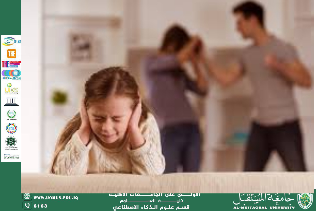
Domestic Violence: Society’s Silence and the Victims’ Pain
Domestic Violence: Society’s Silence and the Victims’ Pain<br /><br />Domestic violence is one of the most dangerous social phenomena, spreading silently within our communities. It occurs behind closed doors and is often concealed by cultural norms and social stereotypes that silence victims and excuse perpetrators. It is not just a private family issue—it is a clear violation of human dignity and fundamental rights, whether the victim is a woman, child, or even a man.<br /><br />Forms of Domestic Violence<br /><br />Domestic violence can take many forms, including:<br /> • Physical violence: Hitting, pushing, or any kind of bodily harm.<br /> • Psychological and emotional abuse: Insults, threats, humiliation, or belittling the victim.<br /> • Economic abuse: Controlling money or preventing the victim from working or becoming financially independent.<br /> • Sexual violence: Forcing sexual acts without consent.<br /><br />Society’s Silence<br /><br />Society’s silence in the face of domestic violence is a form of indirect complicity. In many cultures, victims are pressured to remain silent out of fear of “scandal” or to “protect the family’s image.” Intervening in family matters is often considered inappropriate, allowing abuse to continue unchecked.<br /><br />Even more concerning, some traditions justify violence as a form of discipline or a sign of masculinity, making it harder to hold abusers accountable and further isolating victims.<br /><br />The Victims’ Pain<br /><br />The psychological effects of domestic violence can be devastating and long-lasting. Victims often suffer from depression, anxiety, low self-esteem, and in severe cases, may attempt suicide or develop addictions. Children who witness or experience violence may carry those traumatic experiences into adulthood, either becoming victims again or perpetuating the cycle of abuse.<br /><br />Possible Solutions<br /> 1. Raising awareness: Through campaigns that break the silence and promote a culture of respect within families.<br /> 2. Enacting and enforcing laws: Strong legislation to protect victims and punish perpetrators.<br /> 3. Providing shelters and psychological support: Safe havens for those escaping abuse, along with counseling services.<br /> 4. Education: Teaching values of dialogue and mutual understanding in schools to raise generations that reject violence.