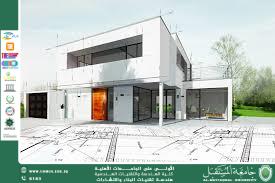
Smart Urban Planning and the Cities of the Future
With the rapid increase in population and fast-paced technological transformations, traditional urban planning is no longer sufficient to meet the demands of modern life. This is where the concept of smart urban planning emerges as a fundamental pillar for building the cities of the future, which rely on technology, sustainability, and resource efficiency to provide a healthy, safe, and intelligent urban environment.<br /><br />What Is Smart Urban Planning?<br />Smart urban planning is an integrated approach aimed at improving quality of life in cities through the use of advanced technology, big data, and artificial intelligence in managing infrastructure and urban services. This approach covers various sectors, such as transportation, housing, energy, environment, and waste management.<br /><br />Key Features of Future Smart Cities<br />Technological Integration<br /><br />Using sensors and Internet of Things (IoT) networks to collect and analyze data for service improvement.<br /><br />Environmental Sustainability<br /><br />Relying on renewable energy, green spaces, and efficient water and waste management.<br /><br />Smart Transportation<br /><br />Intelligent traffic systems, electric vehicles, and promotion of public and sustainable transport.<br /><br />Digital Community Participation<br /><br />Enabling citizens to interact with planning decisions through digital platforms.<br /><br />Flexible and Adaptive Design<br /><br />Ability to adapt to climate change, population growth, and unexpected crises such as natural disasters or pandemics.<br /><br />Importance of Smart Urban Planning<br />Improved Quality of Life<br />Through faster and more efficient services in health, education, and transport.<br /><br />Enhanced Resource Efficiency<br />Using smart technologies to minimize energy and water waste.<br /><br />Local Economic Stimulation<br />Attracting investments in technology and innovation.<br /><br />Reduced Carbon Footprint<br />Thanks to environmentally friendly infrastructure.<br /><br />Examples of Cities Implementing Smart Planning<br />Singapore: Utilizes a smart city system to manage water, traffic, and waste through data and analytics.<br /><br />Barcelona: Offers smart services like smart parking and adaptive street lighting.<br /><br />NEOM (Saudi Arabia): A futuristic project fully reliant on renewable energy and cutting-edge technologies in every aspect.<br /><br />Challenges in Implementing Smart Planning<br />High Cost of Smart Infrastructure<br />Especially in developing countries.<br /><br />Need for Flexible and Modern Legislation<br />To regulate the use of data and technologies.<br /><br />Privacy and Data Security Concerns<br />Due to the heavy reliance on user data collection and analysis.<br /><br />Digital Divide<br />Among different segments of society in accessing and benefiting from technology.<br /><br />Conclusion<br />Smart urban planning is the foundation for building future cities that meet human needs and keep pace with technological advancements. It is not just an urban trend but a comprehensive vision for a more connected, efficient, and sustainable society. As technology evolves and community awareness increases, transitioning to smart cities is becoming a necessity—not an option.<br /><br />