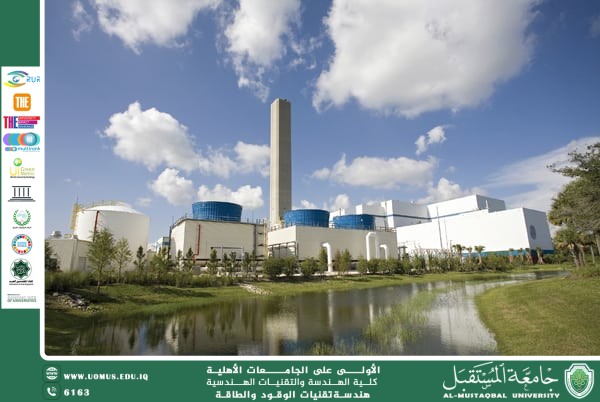
Modern Waste-to-Energy (WtE) in Iraq
🔥 Modern Waste-to-Energy (WtE) in Iraq<br />By Dr. Malik Mustafa Mohammed<br /><br />SDG 7 – Affordable and Clean Energy<br />SDG 9 – Industry, Innovation, and Infrastructure<br />SDG 11 – Sustainable Cities and Communities<br />SDG 12 – Responsible Consumption and Production<br />As of 2023–2024, Iraq lacks any operational large-scale Waste-to-Energy (WtE) plants, despite generating high volumes of municipal solid waste (MSW). The current waste management system depends largely on landfills, open dumping, and informal recycling due to decades of underinvestment and instability.<br />🇮🇶 Current Situation<br />No WtE plants are operational.<br />Most waste is either landfilled or openly burned.<br />Major challenges include:<br />Poor waste segregation and collection systems<br />Lack of funding and foreign investment<br />Weak environmental regulations<br />Low public awareness of sustainable practices<br />📊 Waste Generation<br />Nationwide MSW: ~15,000–20,000 tons/day<br />Baghdad: ~7,000–9,000 tons/day<br />Waste composition is ~50–60% organic, with plastics and mixed inorganics.<br />🏗️ Planned or Proposed WtE Projects<br />1. Baghdad WtE Plant (Proposed)<br />Capacity: 2,000–3,000 tons/day<br />Partners: Iraqi government + foreign firms (e.g., Turkish, Chinese)<br />Technology: Incineration or gasification<br />Status: Announced in 2021–2022, but not yet started<br />2. Basra WtE Plant (Proposed)<br />Capacity: Over 1,000 tons/day<br />Supported by: Local governments & GCC countries<br />Status: Feasibility studies ongoing<br />3. UNDP Pilot Projects<br />Focus on small-scale composting and plastic recycling, not energy recovery<br />Aimed at broader sustainability goals<br />🌍 International Interest<br />Turkish and Chinese companies have expressed interest in investing.<br />UN and EU agencies are supporting feasibility and planning.<br />❌ Barriers to Development<br />Unsorted, mixed waste reduces efficiency<br />High capital costs (~$100M for mid-size WtE plant)<br />No clear policies or incentives for WtE or renewable energy<br />Public health concerns and resistance to incineration<br />🛠️ Alternative Practices in Iraq<br />Landfilling (e.g., Al-Qanat site near Baghdad)<br />Open burning in rural areas<br />Informal recycling by scavengers for metal, plastic, paper<br />🔮 Future Outlook<br />Iraq’s growing population and urbanization will intensify the waste crisis.<br />If governance, investment climate, and infrastructure improve, WtE solutions could scale.<br />Hybrid models (e.g., anaerobic digestion for organics + incineration for non-recyclables) are likely to fit Iraq’s conditions.<br />🎯 Relevant Sustainable Development Goals (SDGs)<br />Goal 7 – Affordable and Clean Energy<br />WtE offers an alternative energy source in a country with power shortages.<br />Goal 11 – Sustainable Cities and Communities<br />Helps manage urban waste sustainably and reduce pollution.<br />Goal 12 – Responsible Consumption and Production<br />Promotes circular economy by recovering energy from waste.<br />Goal 13 – Climate Action<br />Reduces landfill methane emissions and reliance on fossil fuels.<br />Goal 9 – Industry, Innovation, and Infrastructure<br />Encourages development of modern waste infrastructure.<br />Goal 17 – Partnerships for the Goals<br />International cooperation is key to enabling WtE development in Iraq.<br />Al-Mustaqbal University The First University in Iraq<br /><br />