“Plastic Pollution: The Silent Catastrophe in Our Oceans
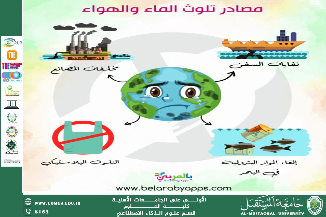
“Plastic Pollution: The Silent Catastrophe in Our Oceans”<br /><br />⸻<br /><br />Introduction<br /><br />Every minute, the equivalent of a garbage truck full of plastic is dumped into the oceans. We may not always see it, but it’s there—accumulating in the depths and washing up on shores, threatening marine life and humans alike. Plastic pollution is no longer just an environmental issue; it has become a global crisis that demands urgent action.<br /><br />⸻<br /><br />What Is Plastic Pollution?<br /><br />Plastic pollution is the buildup of plastic materials in the environment, which harms wildlife, ecosystems, and even human health. Most plastics are non-biodegradable and remain in nature for hundreds of years, eventually breaking down into tiny particles known as microplastics.<br /><br />⸻<br /><br />How Does Plastic End Up in the Oceans?<br /> 1. Poor Waste Management: Many countries lack effective systems for handling waste.<br /> 2. Stormwater and Sewage Systems: Plastic waste from streets and landfills is carried by rainwater into rivers and eventually to the sea.<br /> 3. Industrial and Fishing Activities: Abandoned fishing nets and industrial waste contribute significantly to ocean pollution.<br /> 4. Coastal Tourism: Tourists often leave behind large amounts of plastic waste on beaches.<br /><br />⸻<br /><br />The Devastating Effects of Plastic Pollution<br /><br />1. On Marine Life<br /> • Marine animals like turtles and fish ingest plastic, mistaking it for food, often leading to death.<br /> • Animals get entangled in plastic bags or fishing gear, resulting in injury or death.<br /><br />2. On Human Health<br /> • Microplastics enter the food chain through seafood consumption.<br /> • Studies suggest links between microplastics and potential health issues, including inflammation and hormonal disruption.<br /><br />3. On the Economy<br /> • Coastal tourism suffers due to polluted beaches and waters.<br /> • Governments spend billions annually cleaning up polluted waterways and coastlines.<br /><br />⸻<br /><br />Possible Solutions<br /> 1. Reduce single-use plastic consumption.<br /> 2. Promote recycling and develop sustainable alternatives.<br /> 3. Enforce laws that hold corporations accountable for plastic waste.<br /> 4. Raise environmental awareness in schools and communities.<br /> 5. Support ocean and beach cleanup initiatives.