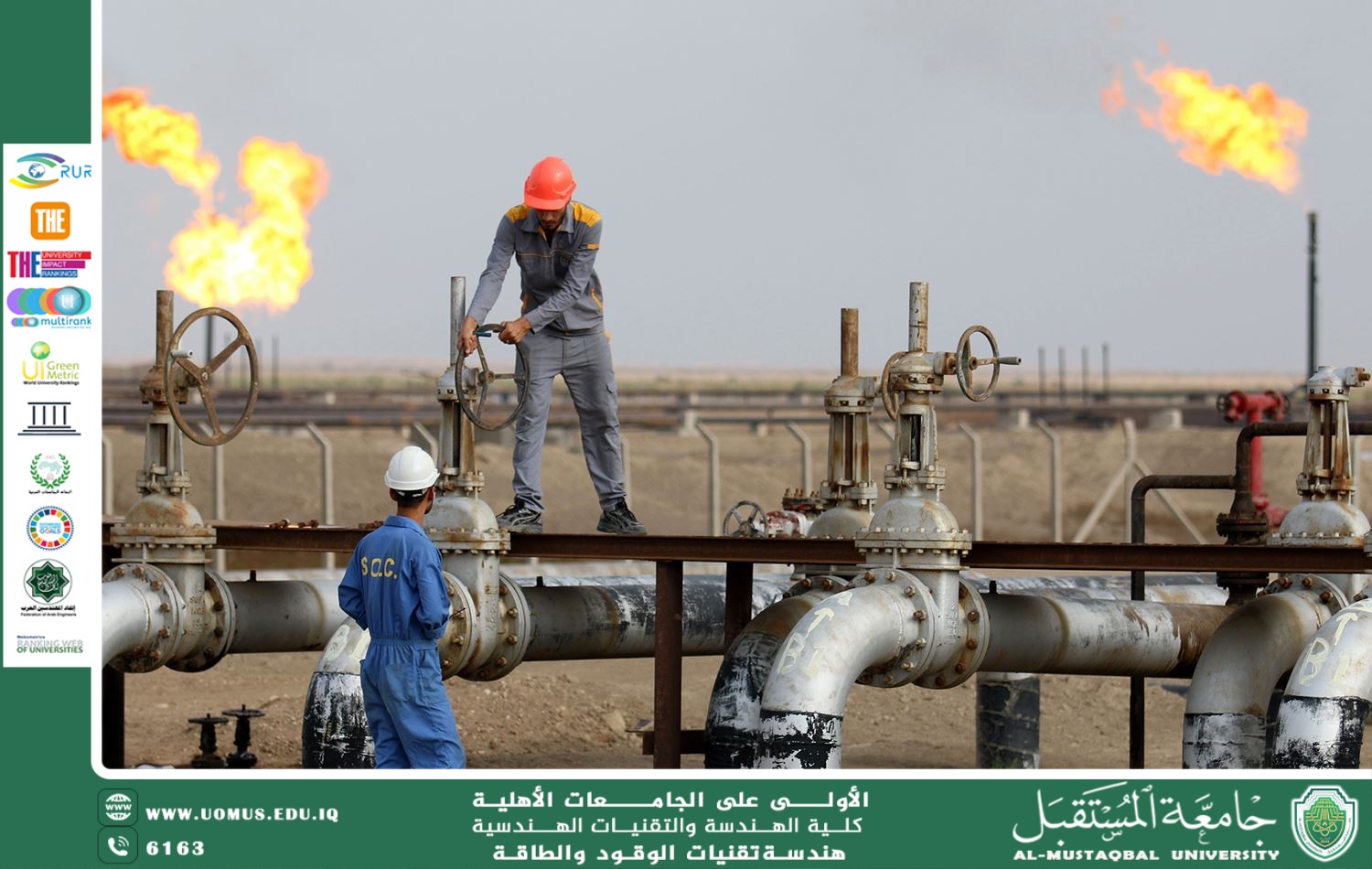
Production quantities of refined oil products in Iraq for 2024
<br />Production quantities of refined oil products in Iraq for 2024<br />Assist. Prof. Malik Mustafa Mohammed<br />Goal 7 – Affordable and Clean Energy<br />Goal 9 – Industry, Innovation and Infrastructure<br />Goal 12 – Responsible Consumption and Production<br /><br />As of early 2024, -official production quantities of refined oil products in Iraq for 2024 are not publicly available<br />Key Refined Oil Products in Iraq (2024 Estimates)- <br />1. Gasoline (Petrol): <br /> - -Estimated Production-: ~150,000–200,000 barrels per day (bpd). <br /> - Produced at refineries like -Daura-, -Baiji-, and -Kirkuk-. Domestic demand exceeds supply, forcing reliance on imports. <br />2. -Diesel Fuel-: <br /> - Estimated Production-: ~180,000–220,000 bpd. <br /> - Critical for power generation (diesel generators) and transportation. Imports supplement shortages. <br />3. -Fuel Oil (Heavy Residual)-: <br /> - Estimated Production-: ~100,000–150,000 bpd. <br /> - Used in industrial applications and power plants. Excess is exported or flared. <br />4. -Liquefied Petroleum Gas (LPG)-: <br /> - Estimated Production-: ~30,000–40,000 bpd. <br /> - Captured from natural gas flaring (e.g., at Basra’s gas plants) for domestic and export use. <br />5. -Jet Fuel/Kerosene-: <br /> - -Estimated Production-: ~20,000–30,000 bpd. <br /> - Limited output due to aging refinery infrastructure; imports cover aviation needs. <br /><br />6. -Naphtha-: <br /> - Estimated Production-: ~50,000–70,000 bpd. <br /> - Used as a feedstock for petrochemical plants and blending into gasoline. <br />7. -Lubricants and Bitumen-: <br /> - Smaller quantities produced for road construction and industrial use. <br />-Total Refining Capacity vs. Output- <br />- Crude Oil Processing Capacity-: ~1.2–1.5 million bpd (across 9 major refineries). <br />- Actual Refined Output (2024 Estimate)-: ~500,000–700,000 bpd (far below capacity due to: <br /> - Outdated infrastructure. <br /> - Maintenance delays. <br /> - Security risks. <br /> - Gas flaring inefficiencies. <br />-Key Refineries and Projects- <br />1. -Daura Refinery (Baghdad)-: <br /> - Capacity: ~140,000 bpd (Iraq’s largest). Processes crude into gasoline, diesel, and LPG. <br />2. -Baiji Refinery (Salahuddin)-: <br /> - Capacity: ~150,000 bpd (partially rehabilitated post-2014 ISIS damage). Focus on diesel and kerosene. <br />3. -Kirkuk Refinery-: <br /> - Capacity: ~30,000 bpd. Supplies northern regions. <br />4. -Basra Gas Plant-: <br /> - Captures associated gas from oil fields for LPG production (~10,000 bpd). <br />5. -Karbala Refinery Project-: <br /> - A proposed 140,000-bpd facility (60% complete as of 2023). Expected to boost gasoline/diesel output by 2025. <br />-Challenges Affecting Production- <br />Import Dependency-: Iraq imports ~40% of its refined fuels (gasoline, diesel) due to insufficient domestic refining. <br />Gas Flaring-: Over 15 billion cubic meters of natural gas were flared in 2023, wasting resources and harming the environment. <br />Security and Corruption-: Delays in modernizing refineries and attracting foreign investment. <br />Climate Policies-: Pressure to reduce carbon emissions conflicts with oil-dependent economy. <br />-2024 Projections- Crude Oil Export-: ~3.5–4 million bpd (main revenue source). <br />-Refined Product Exports-: Limited to fuel oil and LPG. <br />-Renewable Energy Shift-: Minimal impact on oil production in 2024; solar projects target 30% energy mix by 2030. <br />-Data Limitations- <br />Exact figures for 2024 are speculative due to: <br />- Lack of real-time transparency from the Iraqi Ministry of Oil. <br />- Rapid changes in OPEC+ production quotas. <br />- Ongoing geopolitical tensions affecting exports. <br />For precise data, consult: <br />-Iraqi Ministry of Oil Reports- (annual statistical bulletins). <br />-OPEC Monthly Reports- (production trends). <br />-U.S. Energy Information Administration (EIA)-. <br />University The First University in Iraq<br />