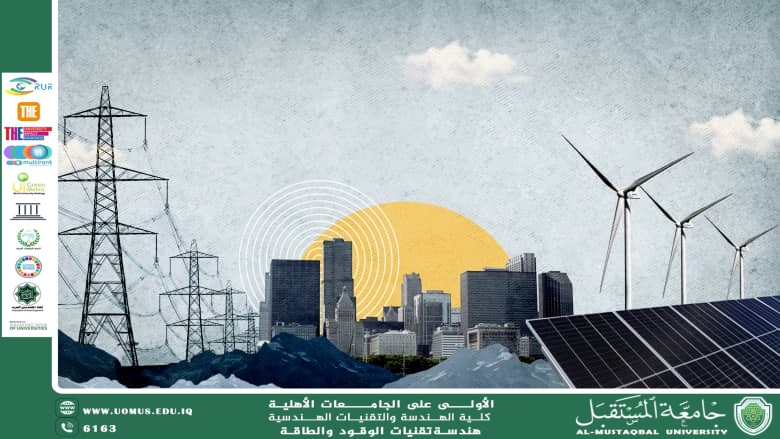
⚡ Non-Solar Renewable Energy Sources
⚡ Non-Solar Renewable Energy Sources<br />Eng. Nourhan Thamer Assi<br /><br />🌱 Related Sustainable Development Goals (SDGs) :<br />Goal 7: Affordable and Clean Energy<br />Goal 13: Climate Action<br />Goal 9: Industry, Innovation, and Infrastructure<br />Goal 12: Responsible Consumption and Production<br />Non-solar renewable energy sources are fundamental pillars for achieving sustainable development and reducing dependence on fossil fuels. These sources include wind energy, hydropower, biomass, geothermal energy, and ocean energy.<br />Wind Energy: Utilizes wind movement to generate electricity through turbines, known for being clean, renewable, and carbon emission-free.<br />Hydropower: Harnesses water flow in rivers and dams to produce electricity, considered one of the most stable renewable energy sources.<br />Biomass: Converts organic materials such as agricultural and wood waste into thermal or electrical energy, reducing waste and promoting sustainable resource management.<br />Geothermal Energy: Uses heat from beneath the earth’s surface for power generation or building heating, providing a continuous and stable energy source year-round.<br />Ocean Energy: Exploits tidal movements, waves, and thermal differences in oceans to produce energy, holding great potential though still in developmental stages.<br />These diverse sources contribute to reducing carbon emissions, enhancing energy security, and achieving sustainable development goals by offering clean and environmentally friendly alternatives.<br />"Al-Mustaqbal University – The No. 1 Private University in Iraq"<br /><br /><br />