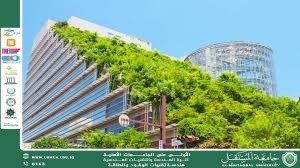
Sustainability in Architectural Design and Green Building
Sustainability in Architectural Design and Green Building<br />Asst. Lecturer Zahraa Salah Hadi<br /><br />Relevant Sustainable Development Goals (SDGs):<br />Goal 7: Affordable and Clean Energy<br />Goal 11: Sustainable Cities and Communities<br />Goal 12: Responsible Consumption and Production<br />Goal 13: Climate Action<br />Amid growing environmental challenges and climate change, sustainability has become a fundamental pillar in architecture and civil engineering. Sustainable architectural design aims to reduce the environmental impact of buildings through smart solutions that balance human needs with the preservation of natural resources. Green building is the practical application of these principles, involving techniques that reduce energy and water consumption, lower carbon emissions, and improve indoor air quality.<br />Sustainable design focuses on key concepts such as using renewable energy (like solar power), leveraging natural ventilation and lighting, and selecting eco-friendly, recyclable, and non-toxic building materials. It also emphasizes improving thermal insulation efficiency to reduce energy loss, positively affecting energy consumption.<br />Green building rating systems like LEED and BREEAM play a crucial role in encouraging adherence to environmental standards by classifying buildings based on their environmental performance.<br />Benefits of green building include reducing long-term operational costs, improving occupant health and safety, supporting the local economy, and reducing pressure on infrastructure.<br />In an era of urban expansion, sustainable design is essential to protect the environment and create healthy living spaces for future generations, reflecting cultural awareness and strategic investment in the future.<br />"Al-Mustaqbal University – The No. 1 Private University in Iraq"<br /><br />