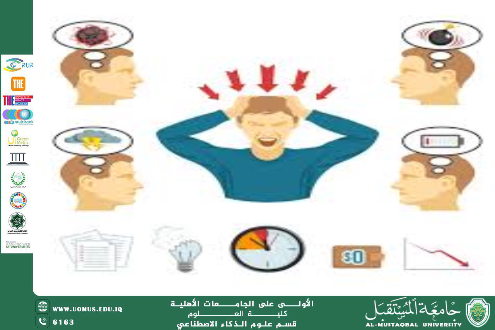
The Impact of Psychological Stress on Brain Function and Memory
The Impact of Psychological Stress on Brain Function and Memory<br /><br />Introduction<br /><br />In our fast-paced world, psychological stress has become an integral part of daily life. Whether caused by work, study, relationships, or financial pressures, stress affects not only emotional well-being but also deeply impacts brain function—especially memory.<br /><br />⸻<br /><br />1. What Is Psychological Stress?<br /><br />Stress is a physical and emotional response to a situation perceived as threatening or challenging. When we experience stress, the body releases hormones such as cortisol and adrenaline, preparing us to face the “threat.”<br /><br />⸻<br /><br />2. How Does Stress Affect the Brain?<br /><br />A. Structural Changes in the Brain<br /> • Chronic stress leads to shrinkage in the hippocampus, the area of the brain responsible for memory and learning.<br /> • In contrast, the amygdala, which processes emotions like fear and anxiety, becomes more active, increasing emotional sensitivity.<br /><br />B. Disruption of Brain Chemistry<br /> • Elevated levels of cortisol interfere with the transmission of neural signals, negatively affecting attention and both short- and long-term memory.<br /><br />C. Inhibition of New Brain Cell Growth<br /> • Research shows that prolonged stress inhibits the formation of new neurons, which is essential for brain flexibility and learning.<br /><br />⸻<br /><br />3. How Does Stress Affect Memory?<br /><br />• Short-Term Memory:<br /> • Stress impairs working memory, which is vital for concentration, decision-making, and problem-solving.<br /><br />• Long-Term Memory:<br /> • Chronic stress makes it difficult to retrieve stored memories or form new long-term memories.<br /><br />⸻<br /><br />4. Acute vs. Chronic Stress<br /><br />There is a clear distinction: short-term stress can sometimes boost performance, but chronic stress is harmful to brain health and has been linked to conditions such as depression and Alzheimer’s disease.<br /><br />⸻<br /><br />5. How to Protect the Brain from the Effects of Stress:<br /> • Regular physical activity: Releases endorphins that improve mood.<br /> • Mindfulness, meditation, and deep breathing: Reduce stress hormone levels.<br /> • Consistent sleep routines: Help the brain recover and consolidate memories.<br /> • Healthy social relationships: Provide emotional support and reduce stress.<br /> • Seeking professional help: Therapists offer effective tools for stress management