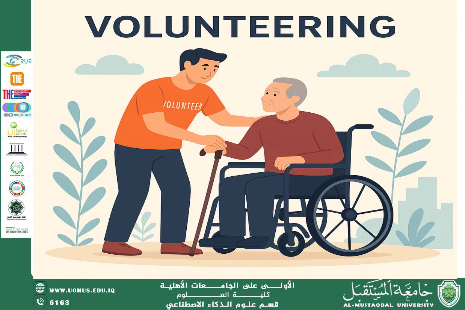
Volunteering: A Culture That Builds Communities
Volunteering: A Culture That Builds Communities<br /><br /><br /><br />Volunteering is one of the noblest forms of giving, where a person offers their time and effort to help others without expecting any financial reward. It is a key element in building cooperative and connected communities and helps foster a sense of responsibility and belonging.<br /><br /><br /><br />Importance of Volunteering<br /> 1. Serving the community: Volunteering fills many gaps in society, such as supporting the poor, helping the sick, and improving the environment.<br /> 2. Developing personal skills: Volunteers gain leadership, teamwork, and communication skills.<br /> 3. Strengthening social bonds: It creates opportunities for networking and building meaningful relationships.<br /> 4. Boosting self-confidence: It gives individuals a sense of value and ability to make a difference.<br /><br /><br /><br />Examples of Volunteering Fields<br /> • Health: Supporting patients or the elderly in hospitals.<br /> • Environment: Participating in clean-up campaigns, planting trees, and awareness initiatives.<br /> • Education: Helping students with their lessons or assisting in literacy programs.<br /> • Relief: Contributing to aid teams during natural disasters. <br /> <br /><br />Volunteering in the Digital Age<br /><br />With technological advancement, the concept of “online volunteering” has emerged, allowing people to contribute from their homes in translation, design, teaching, or providing psychological support via the internet.<br /><br /><br /><br />Volunteering is not just a pastime activity — it is a civilized behavior that reflects an individual’s awareness and sense of community. If each person dedicates even a small part of their time to volunteering, the collective impact on both individuals and society would be tremendous.